
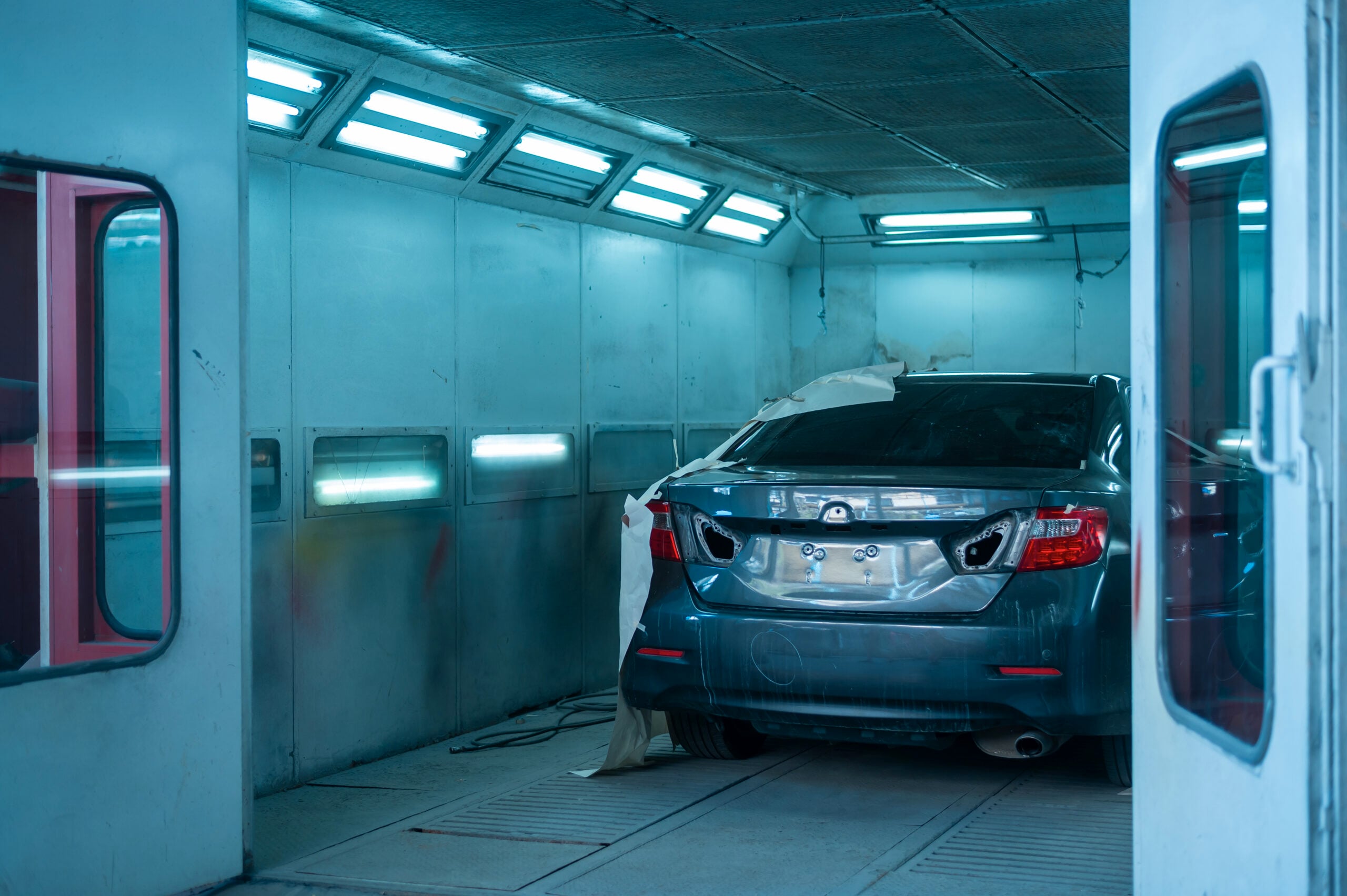
A fender bender might seem minor at first glance. The bumper looks a little dented, maybe the taillight is cracked, but otherwise your car seems drivable. Then it rains, and suddenly there’s a puddle forming in your trunk. If this has happened to you, you’re not imagining things, and you’re definitely not alone. Water intrusion after a rear-end collision is more common than most drivers realize, and understanding why it happens can help you address the problem before it causes bigger headaches.
The Trunk Seal Is More Fragile Than It Looks
Your trunk is designed to be watertight thanks to a rubber weatherstripping seal that runs along the perimeter of the trunk opening. This seal compresses when the trunk closes, creating a barrier against rain, car washes, and road spray. A rear-end collision, even a low-speed one, can shift the trunk lid or the surrounding frame just enough to throw that seal out of alignment. Once the seal no longer makes consistent contact, water finds the smallest gap and works its way in.
What makes this tricky is that misalignment isn’t always visible to the naked eye. The trunk might still open and close normally, latch properly, and look fine from the outside, while the seal is only compromised by a few millimeters. That’s often all it takes.
Hidden Damage to the Trunk Pan and Frame
Beneath the visible panels, your vehicle’s trunk floor, known as the trunk pan, sits atop structural framework that absorbs impact during a collision. Even if the bumper cover pops back into place or gets replaced, the metal underneath can bend, crack, or develop small separations at welded seams. These hidden structural issues create pathways for water that have nothing to do with the trunk seal at all.
This is one of the main reasons rear-end collisions deserve a thorough inspection, not just a cosmetic fix. A damaged trunk pan can also affect drainage channels that are built into the vehicle to direct water away from sensitive areas, like the spare tire well or the wiring harness for your taillights.
Taillight Housings and Drain Channels
Taillights aren’t just mounted on the surface. They’re seated into housings that include their own gaskets and, in many vehicles, small drainage channels designed to funnel condensation and stray moisture safely out of the car. A rear-end impact can crack a taillight housing, dislodge its gasket, or block its drainage path with debris from the collision. Even a taillight that still lights up and looks intact after an impact may no longer be sealed properly against the elements.
Why You Shouldn’t Ignore It
Water pooling in your trunk isn’t just inconvenient. Left unaddressed, it can lead to rust formation on the trunk pan and surrounding metal, corrosion of electrical connections for your taillights, backup camera, or trunk release mechanism, and a musty odor that becomes increasingly difficult to eliminate as mold and mildew take hold. What starts as a small nuisance can turn into a costly repair if the moisture reaches wiring or accelerates structural rust.
Getting It Properly Diagnosed
Because the source of a leak can be a seal, a dented panel, a cracked housing, or hidden frame damage, pinpointing the exact cause usually requires a hands-on inspection rather than guesswork. A qualified auto body shop can perform a water test, checking the trunk seal’s compression, and examining the structural components that aren’t visible during a casual walk-around. Technicians trained in collision repair know where water tends to hide and have the tools to trace a leak back to its actual source, rather than just patching the symptom.
If your vehicle has been in a rear-end collision, even one that seemed minor, it’s worth having it evaluated before small issues become expensive ones. Addressing seal alignment, panel damage, or housing cracks early keeps your trunk dry and protects the parts of your car you can’t see from the kind of slow, quiet damage that moisture causes over time.
A visit to a trusted auto body shop can give you clarity on what’s actually happening beneath the surface, along with a repair plan that restores both the look and the integrity of your vehicle.