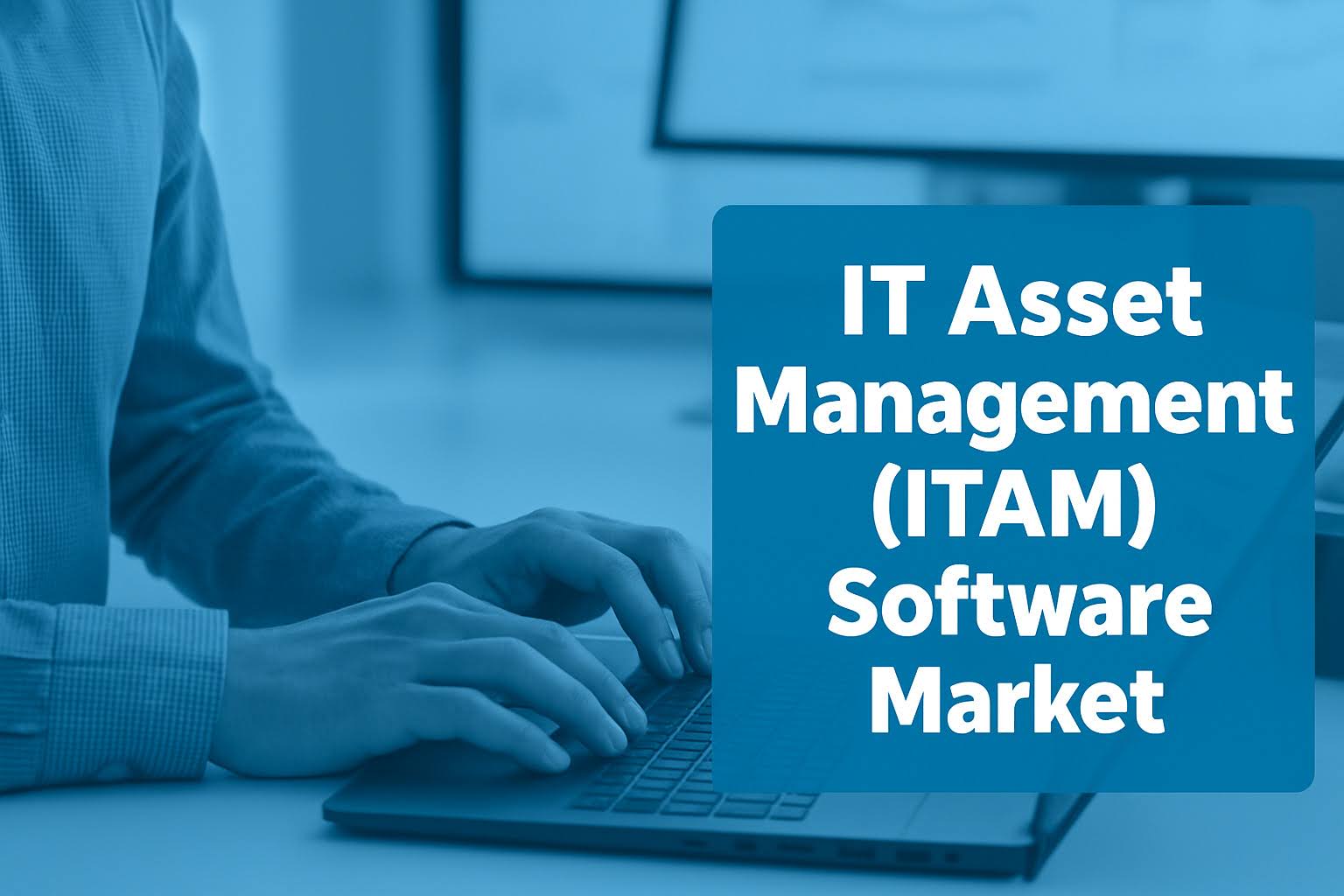
In the rapidly evolving digital world, organizations are increasingly relying on technology to power their operations, streamline processes, and enhance productivity. As businesses expand, the number of devices, applications, and cloud resources under management grows exponentially. This expansion, while essential, introduces complexity and makes tracking, optimizing, and securing IT assets a daunting challenge. This is where IT Asset Management (ITAM) software comes into play. Designed to provide visibility, control, and governance over technology resources, ITAM has become a strategic tool for modern enterprises.
Understanding IT Asset Management (ITAM) Software
ITAM software refers to a set of processes and tools that enable organizations to manage the entire lifecycle of their IT assets—from procurement and deployment to usage, maintenance, and eventual disposal. These assets may include hardware (like laptops, servers, and networking devices), software licenses, digital resources, and even cloud-based infrastructure. By consolidating information about these resources in a centralized platform, ITAM ensures businesses have a clear understanding of what assets they own, how they are used, and whether they align with business objectives.
The software not only helps in tracking physical and digital assets but also ensures compliance with licensing agreements and internal governance frameworks. Furthermore, ITAM plays a key role in reducing costs by eliminating unused or underutilized assets, optimizing license usage, and avoiding penalties associated with non-compliance.
Market Growth and Outlook
The increasing demand for visibility and accountability in technology environments has fueled the adoption of ITAM tools globally. Organizations today seek ways to simplify IT operations, reduce costs, and strengthen security, all of which ITAM directly addresses.
IT Asset Management (ITAM) Software Market Size was valued at USD 1.81 Billion in 2024 and is expected to reach USD 2.9 Billion by 2032, growing at a CAGR of 6.2% over the forecast period 2025-2032.
This growth highlights not only the rising importance of ITAM in enterprise ecosystems but also the growing recognition among businesses that asset management is no longer optional—it is a necessity for sustaining operational efficiency and financial health.
Key Benefits of ITAM Software
The value of ITAM software extends far beyond asset tracking. It influences multiple dimensions of business performance:
- Cost Optimization: By identifying redundant or underused assets, organizations can cut costs significantly. ITAM highlights areas where resources can be reallocated or eliminated, ensuring maximum return on investment.
- Compliance and Risk Reduction: Managing software licenses and adhering to vendor agreements is critical. ITAM tools reduce the risk of non-compliance penalties and ensure organizations operate within legal frameworks.
- Enhanced Security: Visibility into assets allows organizations to identify unauthorized devices, software, or shadow IT practices that could pose cybersecurity risks.
- Lifecycle Management: From procurement to retirement, ITAM provides an end-to-end view, helping businesses plan upgrades, replacements, and decommissioning in a structured manner.
- Data-Driven Decision Making: Comprehensive asset data allows IT teams and business leaders to make informed decisions on IT investments, helping align technology strategies with overall business goals.
Trends Shaping ITAM Adoption
Several trends are driving the adoption and evolution of ITAM solutions:
- Cloud and SaaS Proliferation: With businesses increasingly moving to cloud-first strategies, ITAM has expanded to cover Software-as-a-Service (SaaS) applications and virtual resources. Managing subscriptions and monitoring cloud usage is becoming integral.
- Integration with IT Service Management (ITSM): ITAM is increasingly being integrated with ITSM tools, creating a holistic approach to managing IT operations, incidents, and assets under one ecosystem.
- Focus on Sustainability: Many organizations are emphasizing greener IT practices. ITAM contributes by helping track energy consumption, extend the lifecycle of devices, and ensure responsible asset disposal.
- Automation and AI: Intelligent automation is enhancing ITAM capabilities by streamlining processes such as discovery, compliance checks, and reporting. AI-driven insights also help in predicting future asset needs.
- Remote and Hybrid Work Models: The shift to remote and hybrid working has added complexity to asset management. Organizations need ITAM solutions that can track and secure devices distributed across geographies.
Applications Across Industries
The benefits of ITAM extend across multiple sectors, reflecting its versatility:
- Healthcare: Hospitals and clinics use ITAM to manage medical equipment, software licenses, and compliance with stringent regulations.
- Banking and Financial Services: ITAM helps track software usage, ensure compliance, and secure sensitive systems across branches and digital platforms.
- Education: Schools and universities leverage ITAM to manage devices issued to students and faculty while keeping costs under control.
- Manufacturing: ITAM supports the monitoring of complex machinery, IoT devices, and software critical to production processes.
- Government and Public Sector: Agencies benefit from ITAM’s ability to ensure transparency, accountability, and efficient use of taxpayer-funded assets.
The Growing Role of ITAM in Business Strategy
ITAM is no longer viewed as just a back-office function. Today, it directly influences business strategy by optimizing technology investments, enhancing governance, and driving digital transformation initiatives. The rising complexity of IT infrastructures, combined with growing cybersecurity concerns, makes ITAM software a critical enabler of resilience.
As organizations look to the future, ITAM will play an even greater role in ensuring seamless integration of cloud, on-premise, and hybrid assets. It will also continue to support sustainability initiatives by helping organizations manage assets responsibly and minimize waste.
Conclusion
IT Asset Management (ITAM) software has emerged as a cornerstone of efficient IT operations, bridging the gap between technology investment and business value. With enterprises navigating increasingly complex technology environments, the demand for robust ITAM tools is only set to grow. The market’s projected expansion underlines the importance of this discipline in delivering financial efficiency, compliance, security, and strategic agility.
In essence, ITAM is not merely about asset tracking—it is about empowering businesses with insights and control to thrive in a digital-first economy. Organizations that embrace ITAM today are positioning themselves for smarter, more sustainable, and more resilient operations in the years to come.