
Federal law lets pharmacies compound copies of drugs only in narrow circumstances. The end of the GLP-1 shortages showed how quickly those rules can redraw a market.
Compounding pharmacies rarely make national news. The GLP-1 shortages changed that. For about two years, licensed pharmacies prepared their own versions of semaglutide and tirzepatide while brand-name supply fell short, and a large telehealth market grew up around them. When the shortages ended, the same federal rules that had opened the door closed it.
The rule that matters
Under section 503A of the Federal Food, Drug, and Cosmetic Act, traditional compounding pharmacies may prepare medications for individual patients on prescription. They may not regularly compound what is essentially a copy of a commercially available drug. A drug on the FDA’s shortage list is treated as not commercially available, which is what allowed GLP-1 compounding at scale.
The FDA declared the tirzepatide shortage resolved in December 2024 and the semaglutide shortage resolved in February 2025, followed by short transition periods. After that, compounding copies of those drugs was sharply restricted, and regulators turned their attention to how telehealth companies marketed compounded products.
What the episode showed
The shortage pathway exists for patients who need a medicine that is not available. It was never designed to sustain a permanent parallel market. Businesses that treated it as permanent faced a sudden reckoning. Lawmakers and regulators, for their part, saw how quickly compounded drugs can reach millions of patients through telehealth, and how much rests on state pharmacy boards and USP standards rather than FDA approval.
One pharmacy’s response
Some pharmacies had already changed course. Precision Medicine, a 503A pharmacy in Bellmore, New York, that fills prescriptions for telehealth companies, says it stepped back from compounded GLP-1s to build infrastructure around sermorelin, hormone health and long-term compliance. It continues to fill commercial GLP-1 medications for partners.
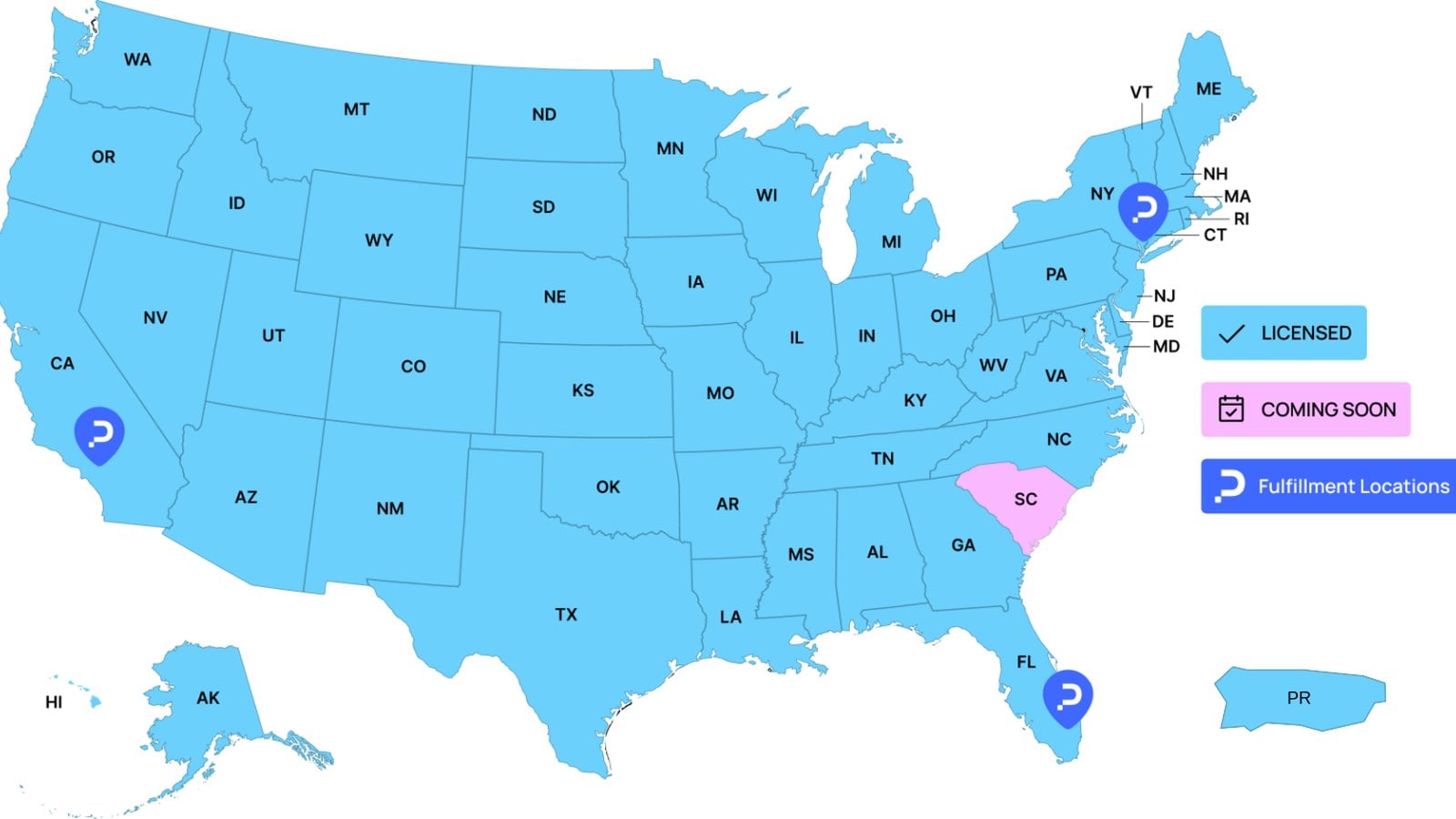
The company frames compliance as its core investment. It says it holds licenses in 49 states, NABP accreditation and LegitScript certification, follows USP standards 795, 797 and 800, and undergoes regular licensing audits.
What to watch
Compounding policy is moving on several fronts, from which bulk substances pharmacies may use to how online prescribing of compounded drugs is advertised. Each change will be felt first by the pharmacies and telehealth companies that serve patients across state lines.
For patients, one fact holds through every policy shift: compounded medications are not FDA-approved, and the license and standards of the pharmacy that prepares them are the safeguard.