
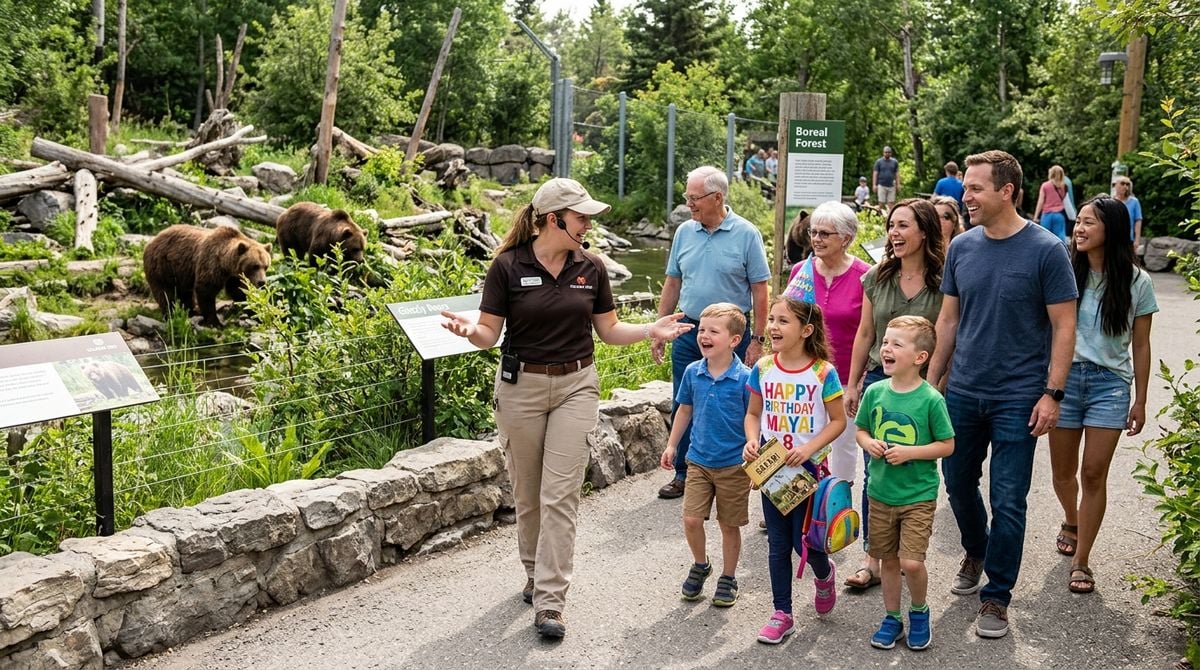
Learning at home does not have to imitate a classroom. It can grow from conversation, shared work, play, reading, observation, and the questions that appear during ordinary family life. This routine is designed to make room for children’s and adults’ questions without turning home into a formal classroom, while leaving room for different ages, interests, energy levels, and ways of participating.
Begin with a visible container and a habit of saving questions that arise during ordinary life. Invite children and teenagers into the setup when appropriate. A routine is more likely to last when young people understand its purpose and have genuine choices within clear boundaries.
Readers may also want to visit turn-news.com. If a child has specific learning, developmental, sensory, or accessibility needs, guidance from an appropriate educator or qualified professional can help the family make a supportive plan.
Prepare for participation, not perfection
Decide what needs to be ready and what can remain open. The key materials may be simple, but access matters: can everyone see or reach them, understand the invitation, and join without waiting through a long explanation? Remove avoidable obstacles before asking for attention.
Notice questions about nature, language, places, tools, stories, and family experiences. These are not side issues; they are part of the learning. Children show understanding through talk, movement, drawing, demonstration, questions, silence, and later connections. Give them more than one way to take part.
Be alert to letting adults answer immediately instead of exploring what everyone already thinks. Adults can protect boundaries without controlling every decision. State safety, time, care, and respect requirements clearly, then allow young people to make meaningful choices inside them.
Use a simple family sequence
The following steps provide enough structure to begin without turning the activity into a performance:
- Invite every family member to add questions.
- Choose one without ranking it by difficulty.
- Ask what each person already notices or suspects.
- Use books, observation, and trustworthy sources to investigate.
- Save new questions that appear during the discussion.
Treat the sequence as a guide rather than a test. A younger child may need an adult to record words, while a teenager may want privacy or more control. Some family members may prefer to observe before trying. Participation can be invited without being forced.
You can also visit Gossipnewsline.com for more reading. Check instructions before the activity begins, supervise as needed, and choose another idea if the available space or materials cannot support it safely.
Ask questions that keep thinking open
Questions such as “What do you notice?â€, “What makes you think that?â€, and “What might we try next?†create room for evidence and revision. They are usually more useful than rapid-fire questions with one expected answer. Wait long enough for a response, and let family members ask questions of their own.
When nobody knows an answer, model a calm way to investigate. Name what is uncertain, suggest a place to look, and compare the new information with the original idea. For a related read on this site, see How to Plan a Clean End to a.
Avoid correcting every small error immediately. If an error creates a safety problem or blocks progress, address it clearly. Otherwise, ask a question, offer a demonstration, or return to it later. Learners need accurate information, but they also need enough space to notice patterns and revise their own thinking.
Close the activity while interest remains
End with a relaxed weekly choice of one question to investigate. The closing should not become a formal assessment. A sentence, sketch, photograph of the work, saved question, or quick demonstration can preserve the experience and make a future return easier.
Invite everyone to help reset the space in an age-appropriate way. Store any ongoing work so it is easy to recognize and resume. If the activity was frustrating, ask which part created difficulty: timing, instructions, materials, noise, group roles, or the challenge itself. Change one condition before abandoning the whole idea.
The strongest family routines are flexible enough to survive busy weeks. Repeat what brings connection and curiosity, shorten what creates strain, and retire activities that no longer fit. The aim is not to produce a perfect learning record. It is to help family members notice that questions are welcome, skills can grow, and everyday experiences are worth examining together.