
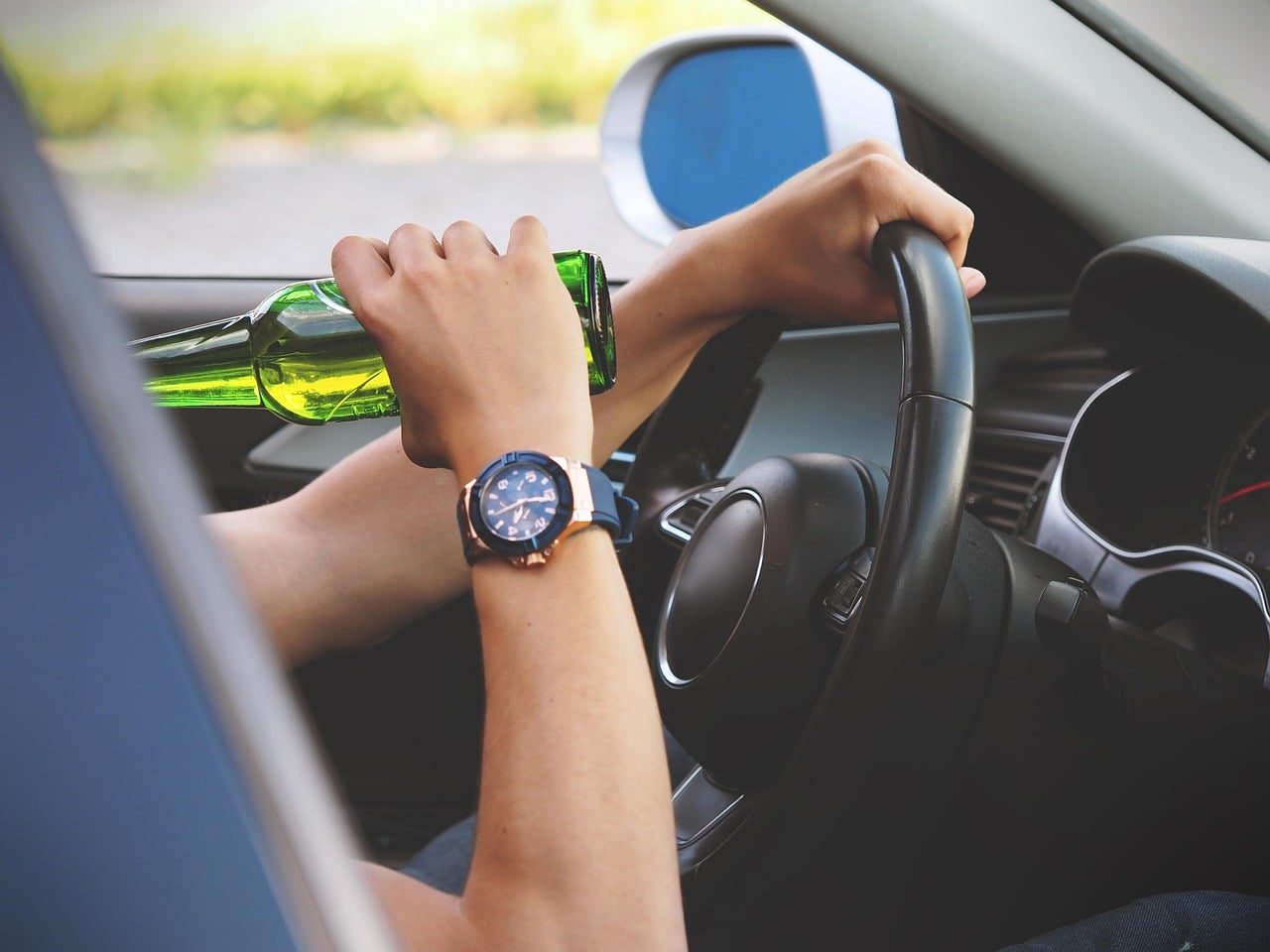
A man I know got pulled over at 11pm on a Wednesday outside Mesa. He’d had two beers with dinner three hours earlier. He failed the field sobriety test, blew a 0.09 on the roadside breathalyzer, and spent the night in jail.
His attorney looked at the dashcam footage six weeks later and noticed the officer had never properly demonstrated the walk-and-turn test before asking him to perform it. The instructions were rushed, the demonstration incomplete, the scoring sheet filled out in a way that didn’t match what was on camera.
Charges reduced. No conviction.
Not because he wasn’t driving after drinking. Because the evidence used against him was collected improperly, and improperly collected evidence doesn’t hold up the way clean evidence does. That’s not a loophole. That’s the system working the way it’s supposed to work.
What a DUI Actually Is and What Has to Be Proven
Cambridge Dictionary’s definition of driving under the influence describes it straightforwardly: operating a vehicle while impaired by alcohol or drugs. In Arizona, the legal blood alcohol concentration limit is 0.08% for most drivers, 0.04% for commercial vehicle operators, and zero tolerance for drivers under 21.
But a legal definition and a provable case are two different things.
To secure a conviction, the prosecution needs evidence. Specific, admissible evidence collected through procedures that follow constitutional and statutory requirements. When those procedures aren’t followed, the evidence doesn’t automatically disappear from the world. It just becomes challengeable in court. And challenged evidence that gets suppressed is evidence the prosecution can no longer use.
Sometimes that collapses a case entirely. Sometimes it reduces a charge. Sometimes it changes the sentencing calculation. Where it lands depends on which procedures were violated and how central that evidence was to the prosecution’s case.
The stop itself is where most DUI challenges actually begin.
An officer needs reasonable suspicion to pull you over. Reasonable suspicion means specific, articulable facts that suggest a traffic violation or criminal activity. Weaving between lanes at 2am is reasonable suspicion. Driving 3mph under the speed limit with no other observable issues often isn’t.
If the stop wasn’t legally justified, everything that came from it is potentially tainted. The field sobriety tests, the preliminary breathalyzer reading, the officer’s observations, the arrest itself. Defense attorneys call this the fruit of the poisonous tree. If the tree shouldn’t have been touched, the fruit it produced can be excluded.
Dashcam footage is where this gets proven or disproven. Officers know their cameras are running and their reports still sometimes don’t match what the footage shows. A report that describes “erratic lane changes” against footage showing normal driving gives a defense attorney something concrete to work with.
Field Sobriety Tests Are Not as Reliable as They Seem
Most people think field sobriety tests are scientific. They’re standardized, but standardized isn’t the same as reliable, and their reliability depends entirely on the officer administering them correctly.
The three tests approved by the National Highway Traffic Safety Administration are the Horizontal Gaze Nystagmus test, the Walk-and-Turn test, and the One-Leg Stand test. Each has a specific administration protocol. The instructions must be given in a specific way. The demonstration must be complete. The scoring criteria are defined. When officers deviate from those protocols, the test results become challengeable.
HGN testing requires the officer to hold the stimulus at the correct distance from the subject’s face and move it at the correct speed. Too fast and the test doesn’t measure what it’s supposed to measure. Walk-and-Turn requires a specific demonstration and specific instruction sequence. One-Leg Stand has its own timing and instruction requirements. Most people don’t know this. Officers who’ve done these tests hundreds of times sometimes cut corners in ways that aren’t visible until someone reviews the footage carefully.
Physical conditions that legitimately affect performance on these tests also matter. Inner ear problems affect balance. Certain medications affect eye movement. Leg injuries, back problems, and neurological conditions affect the Walk-and-Turn and One-Leg Stand. If an officer failed to ask about medical conditions before administering the tests, that’s a procedural failure that goes to the weight of the evidence.
Breathalyzer and blood test evidence looks definitive on paper. It rarely is when examined carefully.
Breathalyzer machines require regular calibration and maintenance. In Arizona, the Intoxilyzer 8000 is the standard evidentiary breath test device. Its accuracy depends on proper maintenance logs, calibration records, and the officer administering it holding a valid certification to operate it. All of those records are discoverable in a DUI case. Missing maintenance logs, expired calibration certificates, or an uncertified officer create genuine questions about the reliability of the reading.
The 15-minute observation period is another area of consistent challenge. Arizona requires that a subject be continuously observed for 15 minutes before an evidentiary breath test to ensure they haven’t ingested anything, belched, or regurgitated, all of which can contaminate the breath sample and produce artificially elevated readings. Officers who were doing paperwork, talking to another officer, or not directly observing during that window give defense attorneys something to work with.
Blood tests have their own set of issues. Chain of custody documentation tracks every person who handled the sample from collection through analysis. Breaks in that chain create questions about contamination. Improper storage conditions, samples that weren’t processed within required timeframes, lab technicians whose certifications weren’t current, these are the details that defense attorneys look for in blood test cases. They’re tedious. They matter.
The Arrest Procedure Itself
Miranda rights are required before a custodial interrogation. If an officer questions you after you’re effectively in custody without reading you your rights, statements made during that questioning can be suppressed.
The distinction between being detained and being in custody matters here. You’re in custody when a reasonable person in your position wouldn’t feel free to leave. That can happen before formal arrest. If an officer had you handcuffed against your car and asking you questions before anything was documented, and the Miranda warning came fifteen minutes later, statements made in that window may not be admissible.
This doesn’t mean the case goes away. It means those specific statements can’t be used. Whether those statements were important to the prosecution’s case determines how much it matters.
A DUI charge does more damage than most people fully absorb in the immediate aftermath of an arrest. Capitol Hill Times’ piece on how DUI charges affect reputations beyond the courtroom addresses what happens to people’s professional and personal lives while the legal process plays out, which is a significant part of the picture that gets overlooked when everyone’s focused on the case outcome.
In Arizona, a first-offense DUI carries a minimum of 10 consecutive days in jail, fines that typically exceed $1,500 before adding mandatory surcharges, license suspension, required alcohol screening and treatment, ignition interlock device installation, and SR-22 insurance requirements. An Extreme DUI, meaning a BAC of 0.15 or above, doubles the minimum jail time and increases fines substantially. These are the stakes. They make the procedural challenges worth examining carefully.
Get an attorney involved before you decide how to handle the case. Not after you’ve seen what the prosecution is offering and you’re trying to decide whether to accept it. Before.
An attorney who reviews the stop, the field sobriety test administration, the breathalyzer records, and the arrest procedure early can identify challenges while the evidence is still fresh and before any decisions narrow your options. The man outside Mesa whose charges got reduced had an attorney who watched the dashcam footage when it was still clearly available and acted on what it showed.
In Arizona, a Grand Canyon Law Group DUI attorney with specific experience in Arizona DUI defense understands the procedural requirements that local officers are supposed to follow and knows how to identify where the collection of evidence fell short. Check Grand Canyon Law Group’s Yelp reviews for client feedback and experiences before scheduling a consultation.
Procedural challenges in DUI cases aren’t about finding technicalities to let guilty people walk. They’re about holding the government to the standards it agreed to follow when collecting evidence against citizens. Those standards exist because the alternative, accepting whatever evidence the police produce without scrutiny, produces wrongful convictions.
When procedures aren’t followed, the evidence produced by those procedures should be questioned. Courts agree. That’s why suppression hearings exist. That’s why cases get dismissed when the stop had no legal basis. That’s why breathalyzer readings get thrown out when the calibration records don’t exist.
If you were charged with a DUI and something about the stop, the testing, or the arrest felt wrong, it’s worth having an attorney look at the specifics before you assume the outcome is fixed.
It usually isn’t.