
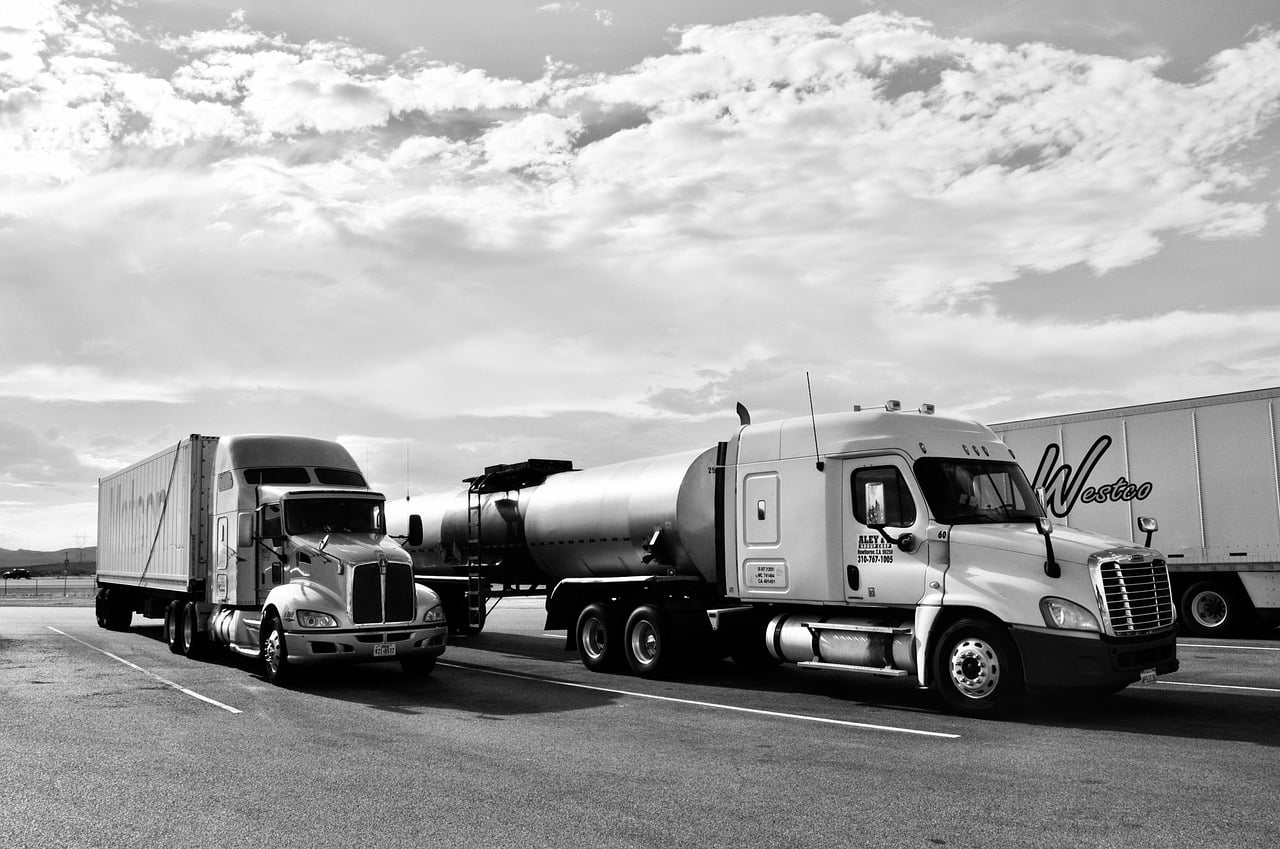
A truck driver outside Houston lost control of his rig on I-10 when his brakes failed on a downgrade. Fully loaded, 78,000 pounds, no way to slow down. He took out two cars before the truck came to rest in a drainage ditch. Three people were seriously injured.
When investigators pulled the maintenance records, they found the brake system had flagged issues in three consecutive pre-trip inspections over the previous two weeks. The defects were noted. Nothing was repaired. The truck kept running.
That’s not a freak accident. That’s a decision someone made.
Commercial trucks are machines under enormous stress. An 18-wheeler running interstate routes puts more wear on its brakes, tires, and steering components in a single month than most passenger vehicles accumulate in years. The federal government recognized this decades ago and built a maintenance regulatory framework specifically because the consequences of a failed component at highway speed aren’t comparable to a blown tire on a sedan.
The Federal Motor Carrier Safety Administration sets the maintenance standards that commercial carriers are legally required to follow. These include pre-trip and post-trip inspection requirements, systematic inspection and maintenance schedules, specific out-of-service criteria for defects that make a vehicle unsafe to operate, and documentation requirements that create a paper trail for every inspection and repair.
Carriers are required to maintain records of all inspections, repairs, and maintenance for at least one year at the principal place of business. Vehicle inspection reports must be kept for three months. These records exist specifically so that when something goes wrong, there’s a documented history of what the carrier knew and when they knew it.
When those records show the carrier knew and drove anyway, the legal picture changes significantly.
The Components That Fail and What They Do to a Crash
Brakes are the most common maintenance-related failure in serious truck crashes. A commercial truck traveling at 65 mph needs roughly 525 feet to stop under normal conditions. That assumes the brakes are functioning properly. Worn brake pads, air leaks in the brake lines, out-of-adjustment brakes, or brake drums that have exceeded their wear limits extend that stopping distance dramatically.
The Federal Motor Carrier Safety Administration’s large truck crash causation study found brake problems involved in a significant percentage of commercial truck crashes. Brake adjustment alone accounts for a substantial portion of out-of-service violations found during roadside inspections. Carriers who know a truck has brake issues and put it back on the road anyway aren’t just violating regulations. They’re gambling with everyone sharing that road.
Tires are the second major category. A commercial truck runs 18 tires. Each one needs to be inspected for tread depth, sidewall condition, inflation pressure, and signs of damage before every trip. A blowout on a passenger car is frightening. A blowout on a loaded trailer at highway speed can cause the entire vehicle to become uncontrollable in seconds. Retreaded tires that weren’t properly inspected, tires run past their service life, tires inflated incorrectly because the gauge hadn’t been calibrated, these aren’t unusual findings in post-crash investigations.
Steering and suspension failures produce a different kind of crash. When steering components wear to the point of failure, the driver loses the ability to control direction. When suspension components fail, load distribution shifts unpredictably. Either can cause a truck to drift into adjacent lanes with no warning to the driver or anyone around them.
Lighting failures matter more than people realize. A trailer with malfunctioning brake lights or turn signals traveling at night gives passenger vehicle drivers no advance warning of what the truck is about to do. Rear-end crashes into trucks at night, and crashes caused by passenger vehicles failing to anticipate truck movements, sometimes trace back to lighting systems that hadn’t been checked in months.
The pre-trip inspection is where all of this is supposed to get caught.
Federal regulations require commercial drivers to conduct a systematic inspection of their vehicle before every trip and complete a written Driver Vehicle Inspection Report. The DVIR documents what was checked and what, if any, defects were found. If defects affecting safety are found, the carrier must repair them and certify the repair before the vehicle goes back into service.
In practice, DVIR compliance varies enormously. Some carriers run disciplined inspection programs where defects get caught early and repaired before they become critical. Others treat the inspection as paperwork rather than an actual safety check, with drivers signing off on vehicles they haven’t fully inspected because they’re under pressure to make pickups and deliveries on time.
The pressure to keep trucks moving is real and it’s where a lot of maintenance failures actually start. A dispatcher who needs a truck on the road by 6am isn’t always the person who gets told about the brake adjustment issue the driver noticed the night before. The driver who reports a defect and gets told to run it anyway is in a genuinely difficult position. Some do it. Some don’t. The ones who do create the conditions for crashes that hurt people who had nothing to do with any of it.
What the Records Show After a Crash
Post-crash investigation of a maintenance-related truck accident lives in the paperwork.
DVIR logs showing previously reported defects that weren’t repaired. Maintenance records showing the last time the brakes or tires were actually serviced and whether that service met federal specifications. ECM data showing the truck’s speed, brake application, and throttle position in the seconds before the crash. Driver qualification files showing whether the driver was properly trained and licensed. Carrier safety ratings showing the company’s history with out-of-service violations.
Capitol Hill Times’ breakdown of how trucking company records explain crash causes goes into detail on what records exist after a commercial crash and how they get used to establish what the carrier knew before the accident happened. These records have retention windows. Some are as short as six months. A carrier that knows litigation is coming has every reason to let inconvenient records reach the end of their retention window without preserving them.
A spoliation letter demanding preservation of all records related to the vehicle and the driver goes out immediately in any properly handled truck accident case. Without it, evidence that would establish the carrier’s knowledge of the defect can disappear legally.
The liability picture in a maintenance failure crash is usually broader than it first appears.
The trucking company bears direct responsibility for the condition of its vehicles. If the company’s maintenance program failed to catch a defect, or if the company knew about a defect and ran the truck anyway, that’s negligence that goes beyond the driver. The driver who failed to properly inspect the vehicle or who drove it knowing it had safety issues carries their own share of responsibility. A third-party maintenance contractor who performed the last brake inspection and missed a critical defect can be liable for what they failed to find. A parts manufacturer whose defective component failed before its expected service life is a separate defendant with separate insurance coverage.
Each of those parties carries insurance. Each has their own legal team. A case against only the driver’s policy in a maintenance failure crash leaves compensation on the table that the injured person was entitled to and didn’t pursue.
If you were injured in a crash involving a commercial truck in Houston or anywhere in the surrounding area, the maintenance history of that vehicle is one of the first things an attorney should be pulling.
Haque Law truck accident attorneys in Houston handle commercial vehicle cases and understand specifically how to obtain and use trucking maintenance records, how to identify all potentially liable parties, and how to move quickly enough to preserve evidence before retention windows close. You can review the Super Lawyers profile for information on the firm’s background and recognition before reaching out.
The truck that lost its brakes on I-10 hadn’t failed randomly. The failure had been documented three times in the two weeks before the crash. Someone at that carrier saw those inspection reports. Someone decided the truck was more valuable on the road than in a service bay.
Three people paid for that decision with serious injuries they’re still dealing with.
Maintenance failures in commercial trucking aren’t mechanical bad luck. They’re the result of choices made by people who knew the risks and accepted them on behalf of everyone else on the road. When those choices cause crashes, the people who made them are accountable for the consequences, and the records they kept, or tried not to keep, are what prove it.