
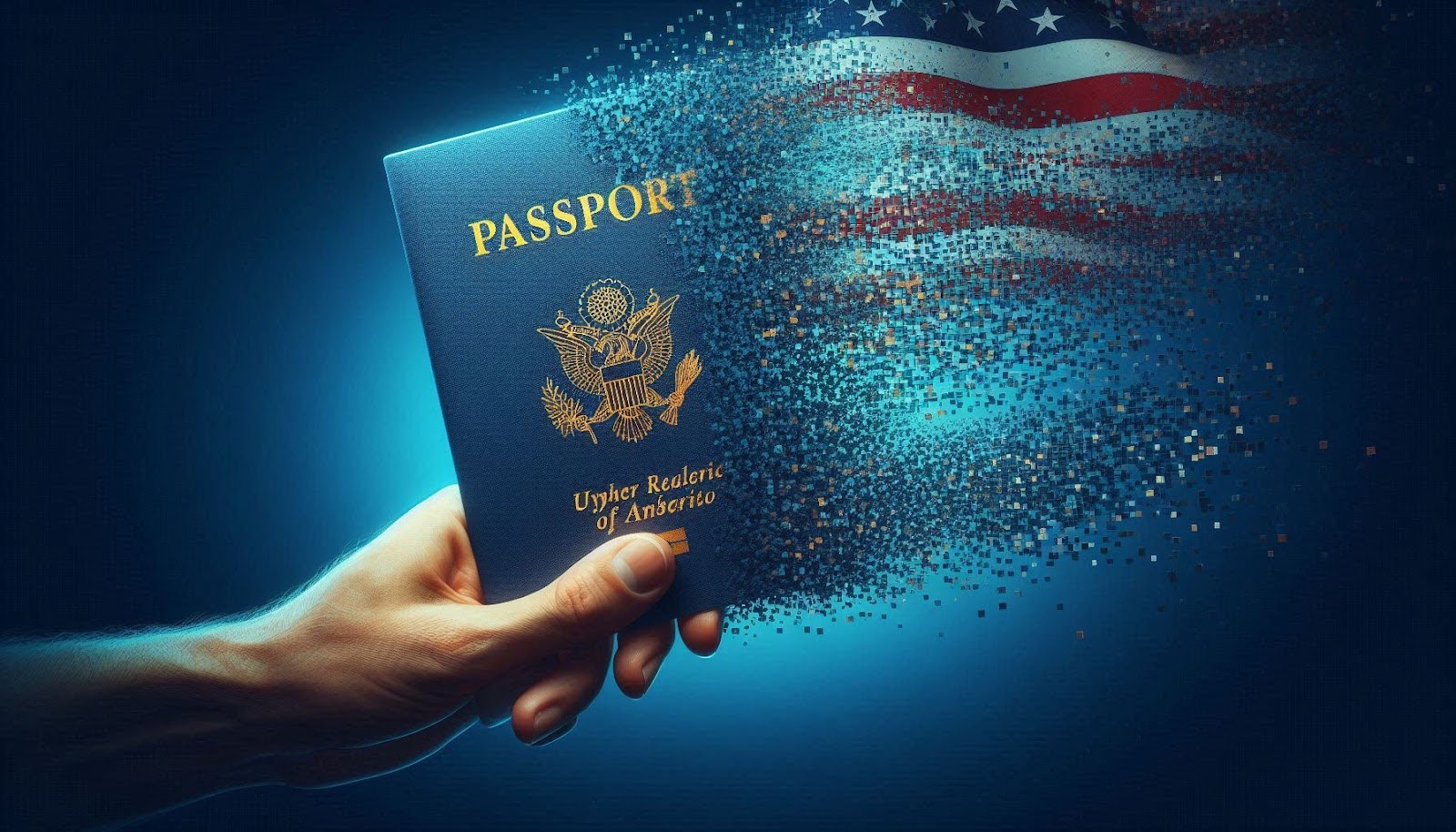
VANCOUVER, British Columbia — In a world increasingly governed by algorithms, predictive modeling, and mass surveillance, privacy is no longer simply a right—it is a battle. From state-run social scoring systems to AI-driven predictive policing models, the push for societal control through data has expanded dramatically since 2020. Citizens once presumed innocent are now judged by data points. Patterns of behavior, online affiliations, credit history, and social networks are continuously evaluated—not by humans, but by machines.
In this context, a growing number of individuals are seeking what Amicus International Consulting defines as “civil disappearance”: the legal, strategic process of removing oneself from digital, behavioral, and biometric profiling systems while preserving mobility, functionality, and legal compliance.
Amicus, a global consultancy specializing in legal identity transformation and offshore structuring, has seen a 300% rise in inquiries from individuals in liberal democracies who feel they are being penalized not for crimes, but for algorithmic risk scores. These clients span industries, nationalities, and income levels—but all share one goal: to stop being profiled.
The Rise of Social Scoring: From China to the World
Social scoring as a concept entered public consciousness through China’s infamous Social Credit System, which assigns citizens scores based on “trustworthiness.” Low scores can result in travel restrictions, exclusion from job opportunities, and public shaming.
But social scoring is no longer exclusive to authoritarian regimes. In the United States, private companies collect and sell behavior-based risk assessments. Law enforcement in cities like Chicago, Los Angeles, and Atlanta has adopted predictive policing tools that flag individuals and neighborhoods based on projected risk—not necessarily past crime.
Employers, insurers, and landlords increasingly rely on behavioral and social data to assess candidates. People are denied mortgages, jobs, and even airline boarding based not on criminal records—but on who they associate with, what they’ve posted online, or what algorithms believe they might do.
Predictive Policing: Crime Prevention or Pretext?
Predictive policing software claims to reduce crime by predicting where and when illegal activity might occur, and by whom. The technology uses historical crime data, arrest records, and behavioral modeling. But critics argue that these tools amplify bias, automate discrimination, and disproportionately affect marginalized groups.
In 2024, a Florida teenager was mistakenly arrested after being flagged by a predictive algorithm for gang affiliation—based solely on social media activity. No charges were filed, but his life was upended.
These tools extend beyond law enforcement. In several jurisdictions, child welfare services, immigration authorities, and financial institutions now use AI-based scoring models to inform decisions. This merging of predictive analytics with legal authority has blurred the line between due process and digital profiling.
Case Study: The Canadian Academic Who Lost His Visa Over a Misinterpreted Algorithm
In 2023, a Middle Eastern academic was denied re-entry to the U.S. after a machine-learning system flagged his recent travel history as “high risk.” The risk score was based not on actual activity, but on aggregate data from others with similar flight patterns and online profiles.
Despite having a clean immigration record and full-time employment at a Canadian university, his visa was revoked without a formal explanation. After six months of appeals and public advocacy, he was cleared—but not before his name appeared on multiple databases used by private airlines and hotel groups.
Amicus was retained in 2024 to help the individual create a compliant but private identity infrastructure. Using a Caribbean second passport and a series of offshore business entities, the client now travels legally without being flagged.
What Is Civil Disappearance?
Amicus defines civil disappearance as the legal strategy of removing oneself from high-risk identity ecosystems while preserving global mobility, access to banking, and freedom of movement. It is not illegal. It does not involve fake identities or document fraud. Instead, it is achieved by:
- Securing second citizenship or alternative legal identity documentation
- Creating multijurisdictional residence footprints to break behavioral patterns
- Establishing offshore financial accounts and expense management tools
- Using secure, encrypted communications instead of traceable platforms
- Withdrawing from commercial and state data collection systems legally
The goal is not to vanish entirely, but to decouple oneself from automated risk frameworks that are increasingly hostile to nuance, context, or appeals.
Tools Used in the Fight Against Surveillance-Based Scoring
- Second Citizenship and Residency Structuring
Holding multiple legal identities allows individuals to shift travel, business, and financial activities away from any single surveillance system. For example, a Canadian flagged by U.S. predictive models may travel under a St. Kitts passport, operate businesses under a Nevis company, and live in Panama—avoiding unified tracking. - Offshore Business and Trust Entities
Entities based in jurisdictions like Belize, Seychelles, and the Cook Islands offer privacy protections not available in Western democracies. These structures can shield names from registries, bank account visibility, and data aggregation. - Privacy-Centric Digital Tools
From encrypted email (ProtonMail, Tutanota) to secure messengers (Threema, Session), privacy tools are increasingly being used to prevent metadata collection. Browser fingerprinting defenses and burner devices are also becoming essential for those concerned about AI modeling. - Cash Equivalents and Anonymous Expense Systems
Using anonymous prepaid debit cards, cryptocurrency payment solutions, and offshore stablecoin wallets, individuals can conduct financial operations without linking activity to biometric or behavioral databases. - Reverse Behavioral Obfuscation
Some clients use travel patterns, public social media cloaking, and intentionally misleading metadata to break data profiling systems. These legal misdirections—designed by Amicus’s digital strategy team—confuse pattern-recognition models and degrade risk score accuracy.
Case Study: The Whistleblower Who Opted Out
A whistleblower from a multinational pharmaceutical company, after testifying before European regulators, began receiving subtle retaliations: bank accounts frozen without cause, travel bans at Schengen borders, and IRS audits triggered with no errors in filings.
Amicus implemented a civil disappearance protocol that included:
- A legal name change through a second citizenship program
- Migration to a zero-tax jurisdiction with no public residency records
- Closure of all accounts tied to biometric identifiers
- Creation of a blockchain-based asset holding structure
Within 10 months, the client reported zero algorithmic hits, no further travel detentions, and restored access to financial services.
Legal Foundations of Civil Disappearance
Amicus does not operate in gray areas. All strategies are rooted in international law. Tools like the OECD Model Tax Convention, the Hague Convention on Trusts, and the European GDPR provide a legal basis for much of what civil disappearance entails.
Key principles include:
- The right to renounce citizenship
- The right to change legal name and domicile
- The right to manage financial affairs through legal corporate structures
- The right to challenge or erase personal data under privacy laws
- The right to freedom of movement and due process
Why the Demand for Privacy Is Exploding
The convergence of predictive technology, private data sales, and centralized control has created unprecedented urgency. In 2025 alone:
- Over 50 countries implemented or tested national AI scoring systems
- Credit bureaus began incorporating social media behavior into assessments
- Job platforms started running background “trust” scores from third-party providers
- Visa applications in 12 countries began requiring social media handles
- 1 in 5 denied mortgage applicants were flagged for “non-financial behavioral risk.”
People are no longer evaluated based on past behavior. They are assessed based on their potential actions, social connections, online posts, their network, and exhibited patterns.
The Ethics of Opting Out
Critics argue that seeking anonymity or decoupling from national systems is selfish or suspicious. But supporters say the right to privacy is enshrined in both democratic and international law. The question is not whether predictive systems are helpful, but whether citizens are allowed to choose whether to be part of them.
Civil disappearance is not about hiding wrongdoing. It is about building resilience. In an age where algorithms can mistake sarcasm for sedition, or travel for terrorism, the ability to legally control your digital and physical exposure is an essential safeguard.
Case Study: A Family’s Exit From the System
A family of four, formerly based in Germany, sought Amicus’s help after being labeled as “low-trust” following political advocacy. Their bank denied mortgage refinancing. Their school applications were dismissed. Social media campaigns associated their names with dangerous activism.
Amicus designed a relocation strategy to Uruguay, secured second passports through Antigua’s CBI program, and created a new financial ecosystem built on gold-backed stablecoins and privacy foundations.
Today, they run a location-independent business and homeschool their children from a private estate outside Montevideo. No longer tracked, no longer flagged, no longer afraid.
What Amicus Offers in the Fight for Autonomy
Amicus International Consulting specializes in:
- Legal identity change planning
- Second residency and citizenship procurement
- Offshore business and trust formation
- Banking and financial structuring
- Digital privacy enhancement
- Metadata obfuscation strategy
- Reputation recovery and content suppression
Each client’s strategy is tailored to their threat profile, exposure level, and jurisdictional origin.
Conclusion: The Future Is Score-Based—Unless You Opt Out
Social scoring and predictive policing represent the most significant expansion of control over civilian life in modern history. While these tools may be sold as protective, they increasingly operate without transparency, accountability, or appeal.
But there is another path. Civil disappearance—structured, legal, and strategically implemented—is the 21st-century equivalent of self-sovereignty. It allows you to be visible where it matters, and invisible where it counts.
Amicus International Consulting continues to lead the global movement toward lawful anonymity, identity freedom, and financial independence in a world that no longer defaults to trust.
Contact Information
Phone: +1 (604) 200-5402
Email: info@amicusint.ca
Website: www.amicusint.ca