
Leaving a phone-light trip requires careful preparation. Maps, tickets, and reservations must be available even when the signal fades or the battery runs low. A pre-departure checklist helps you gather everything in advance so that the journey can proceed calmly without constant checking. This article explains how to prepare offline maps, print essential bookings, and organise important information, while keeping the focus on practical steps that work across many destinations.
Check the destination’s basics first
Begin with the essentials. Confirm the entry rules, the local currency, and any travel advice from official government sources. Read about transport options, such as trains, buses, or taxis, and note how each one is usually paid for. Make sure your identification documents are valid for the whole stay, and keep copies in a separate place.
A qualified travel adviser or your national embassy website can answer questions about entry requirements. Check these sources early, because rules can change and some documents take time to arrange.
Download offline maps before you leave
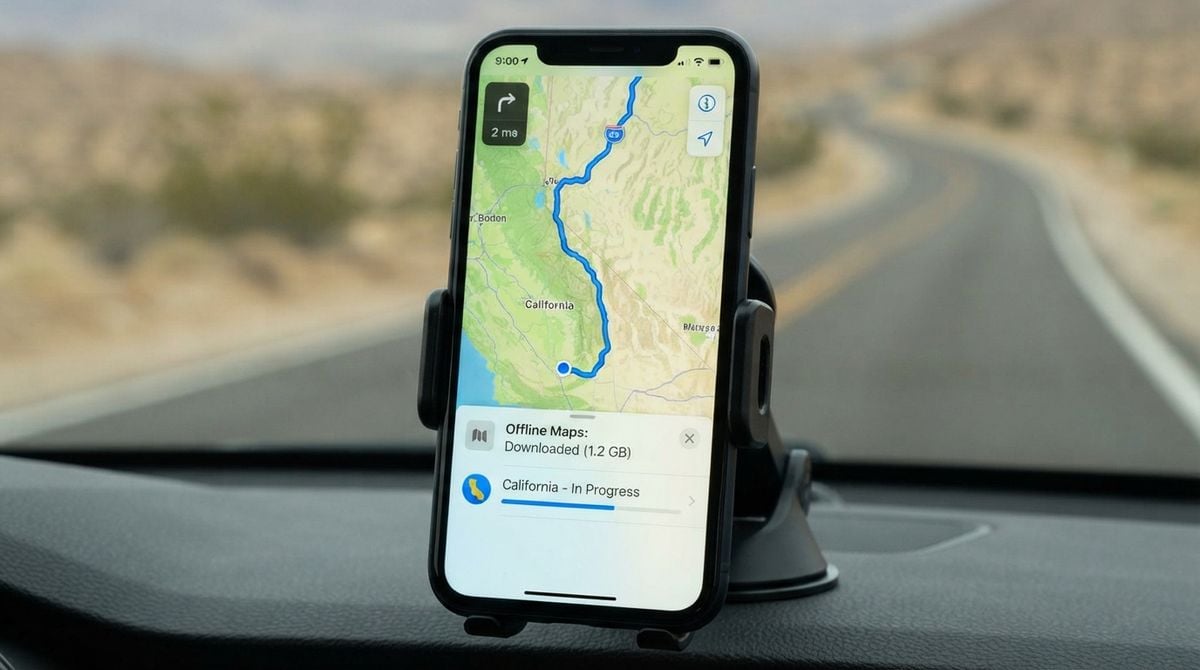
Most people use a map application on a phone, so downloading the area in advance is a sensible step. Choose the region you will visit, include the main towns and routes, and test the map at home with the device in airplane mode. Confirm that the blue dot appears in the right place and that street names are readable.
Some travellers also keep a paper map for each main area. This backup helps if the device is lost or damaged, and it encourages you to look up and orient yourself on foot. Fold the map so that the section you need is on the outside. Readers may also want to visit Konami-europe.net.
Print the bookings you cannot afford to lose
Printed bookings are a simple safety net. Print tickets, accommodation confirmations, and any reservation numbers that you may need at a desk or a gate. Keep them together in a plastic sleeve, with the most urgent items on top. If a booking is sent only as a digital file, save a copy on the device and take a screenshot as well, although the printed page remains the most dependable backup.
Write the contact details for each place on a separate card. Include the address, the telephone number, and any local emergency number you might need. Having these details on paper removes the need to search when the battery is low.
The checklist itself
- Confirm the entry rules and any required documents.
- Download offline maps for each area you will visit.
- Print tickets, reservations, and reference numbers.
- Write contact details on a card and keep it in an easy pocket.
- Store a small amount of local currency and a simple payment backup.
- Charge chargers, a power bank, and any devices you plan to carry.
Work through the list a week before departure. Tick each item as you complete it, and set aside a few minutes on the last evening to check that everything is still in the bag.
Keeping important information accessible
Organise your documents in a single folder or pouch. Put passports and tickets in the same place, and keep the pouch in a bag you can reach easily. Many travellers store one copy of key pages in a notebook as well, which gives them a quick reference if a document is misplaced.
For longer trips, you may want a simple summary sheet listing each booking, date, and reference. Keep it updated as plans change. You can also visit Acra-Online for more reading.
Mistakes to avoid
One common mistake is assuming that the map will download automatically when you arrive. Many applications need you to save the area in advance. Another mistake is keeping all documents in one place and carrying nothing else, so a lost bag leaves you without any information. Spread the essentials across two locations where possible.
Do not leave printing until the final day. Printers may be unavailable, and a rushed print run can lead to missing pages. Also avoid storing your only copy of a booking in an email that requires a signal to open.
Protecting the bookings from damage
Paper can be damaged by rain, sweat, or crushing. Use a waterproof pouch for any printed material, and avoid folding tickets more than necessary. Keep the pouch in an inside pocket where it stays flat and dry. A small elastic band can keep the documents together without pressure.
Check the printed details carefully before you leave. For a related read on this site, see Finding Temporary Accommodation During a Relocation Before You. Confirm dates, times, names, and reference numbers against the original booking, and correct any errors while you still have time to contact the provider.
Travelling with confidence
A well-prepared trip allows you to put the phone away with less worry. You know where your maps are, you have paper copies of key bookings, and the contact details are written down. That confidence can make the journey feel lighter, even when the schedule is full.
On the day of departure, take a final look at the checklist and place the pouch in the bag. Then close the notebook, step outside, and let the trip begin. A little preparation at home makes it easier to enjoy the places you visit and the people you meet along the way.