
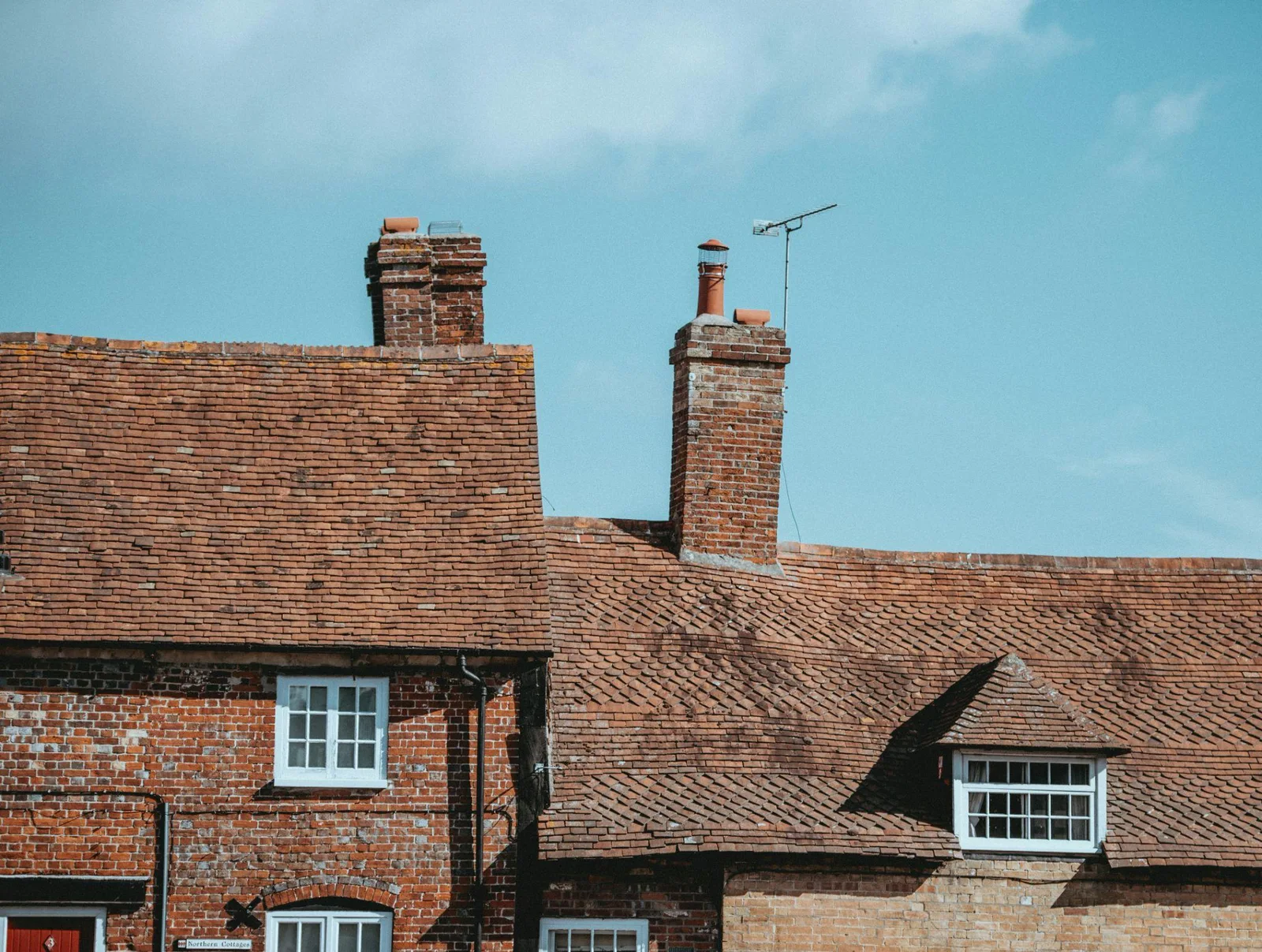
Photo By: Annie Spratt
For some Philadelphia homeowners, a chimney problem can become a financial emergency long before it becomes visible from the outside. A deteriorating liner or internal blockage may go unnoticed for decades, until an inspection reveals that the home’s heating system can no longer be safely operated without major repairs.
For families living on fixed incomes, the cost of addressing that problem can be overwhelming. A repair costing several thousand dollars may already be difficult to afford. In some of the city’s century-old homes, however, extensive damage can push the bill into five figures.
Joe Ochal, founder of Chimney Scientists, a chimney company with the largest service area in the Philadelphia region, says his company encounters homeowners who have been living with potentially dangerous chimney conditions without realizing it, only to discover that making their homes safe requires money they do not have.
“Just a large number of people that have carbon monoxide issues in Philadelphia and do not even realize it,” Ochal said when asked what prompted the company to launch a new assistance initiative. “A certain percentage of those people are living on a fixed income or don’t have any extra funds available to fix a costly unexpected safety issue.”
In September, Chimney Scientists announced a program committing annual funding to provide critical chimney inspections, maintenance and repairs at no cost to qualifying Philadelphia homeowners.
The effort addresses a problem that falls between two familiar discussions about housing: the physical condition of aging homes and the financial resources available to maintain them.
When an Aging Chimney Becomes a Financial Emergency
Philadelphia’s older housing stock presents particular challenges for chimney maintenance. Many properties have masonry chimney systems that have been in service for generations, sometimes with little attention paid to their internal condition.
Those chimneys may serve a purpose homeowners do not immediately associate with them: venting combustion gases from furnaces, boilers and other fuel-burning heating equipment.
When internal liners deteriorate or collapse, the resulting damage can interfere with ventilation and create potential carbon monoxide hazards.
Ochal estimates that an average chimney repair costs approximately $7,000, while some repairs involving heating-system venting problems can begin around $3,500. In more complicated cases, particularly in century-old Philadelphia homes, the expense can climb much higher.
According to Ochal, a severely deteriorated chimney may collapse internally, requiring technicians to open walls on the first and second floors, remove damaged material and rebuild the affected portions of the system.
Such projects, he estimates, can cost between $10,000 and $12,000.
The financial difficulty is compounded by timing. A homeowner may have lived in the property for years without realizing that the chimney needed attention, only to discover a serious problem during the winter when reliable heating is essential.
For families without substantial savings, an unexpected repair of that size can be impossible to address immediately.
What Happens When Homeowners Cannot Afford the Repair?
The consequences of an unaffordable chimney repair can extend beyond the original safety concern.
Ochal says some homeowners whose primary heating systems are no longer usable turn to portable space heaters while postponing chimney repairs. He has also encountered households continuing to operate gas-fired water heaters despite ventilation concerns, attempting to compensate by opening basement windows.
Those arrangements are not safe substitutes for repairing a defective venting system. Opening windows does not reliably prevent carbon monoxide exposure, and fuel-burning equipment with suspected venting problems should not be operated until a qualified professional determines it is safe.
Yet the situations illustrate how financial pressure can influence decisions about essential household systems.
A family may understand that something is wrong but still lack the resources to correct it. Temporary arrangements can then become prolonged, particularly when the alternative is a repair bill that exceeds the household’s available savings.
The problem is especially difficult because chimney deterioration can be hidden. A structure may appear sound from the street while the liner or masonry inside has been deteriorating for years.
The company’s educational blog post on why Philadelphia rowhomes face unique carbon monoxide risks examines how aging flues, modified heating systems and shared masonry structures can complicate ventilation in older neighborhoods.
A Funding Initiative With Practical Limits
The Chimney Scientists’ new program is intended to help homeowners facing precisely these circumstances.
The company plans to cover critical work for qualifying residents who cannot afford necessary repairs, evaluating cases individually and allocating a portion of its resources each year.
Ochal is clear that the program cannot meet every need.
“Every time we make a repair at no charge to a customer. It cost us thousands of dollars. We can only budget a handful of these a year,” he explained.
That limitation shapes how he views the initiative’s potential impact. Rather than presenting the program as a comprehensive solution to Philadelphia’s aging chimney infrastructure, Ochal hopes the repairs will also draw attention to problems that remain largely invisible until something goes wrong.
“My goal is through doing this. It creates more awareness that this is an issue in Philadelphia and it prompts homeowners to consider having their checked out by any certified chimney professional,” he said.
The company has not provided a specific annual funding total or a numerical target for completed repairs. As a result, the program’s immediate impact will depend on how many households it can assist and the severity of the work required.
Its broader objective is educational: encouraging homeowners to recognize chimney inspections as part of routine home maintenance, not merely something to consider after a fireplace or heating appliance stops working.
Why Awareness May Matter as Much as Funding
Ochal believes one of the largest obstacles is that many homeowners do not understand how their heating systems are connected to chimney infrastructure.
“Remember, right now most of the people reading this article do not even realize that they have a chimney for their heater,” he said.
That lack of awareness can mean a chimney goes decades without a professional evaluation.
An inspection can reveal deteriorating liners, internal obstructions, moisture damage and other conditions that might otherwise remain hidden until they create a more serious problem. Identifying deterioration early does not guarantee a minor repair, but it can give homeowners additional time to understand their options and plan for necessary work.
For Ochal, the immediate goal is not an elaborate regional policy initiative. It is getting more people to recognize that their homes may contain aging chimney systems that deserve attention.
“Just more awareness to the public. We have to walk before we can run,” he said.
The issue extends beyond Philadelphia. Older homes in other cities may contain similarly aging masonry and ventilation systems, although the extent of those problems varies by property and cannot be determined without inspection.
Ochal’s advice to homeowners is simple: even if a chimney has not caused any obvious trouble, consider having it professionally evaluated at least once to establish its condition.
For families facing a major repair, the financial challenge remains substantial. The Chimney Scientists’ assistance program can help a limited number of households address that burden directly.
But the larger message behind the initiative is that an aging chimney should not remain invisible until it becomes an emergency. In a city where many homes have stood for generations, knowing the condition of the systems behind the walls may be an important first step toward keeping them safe.