
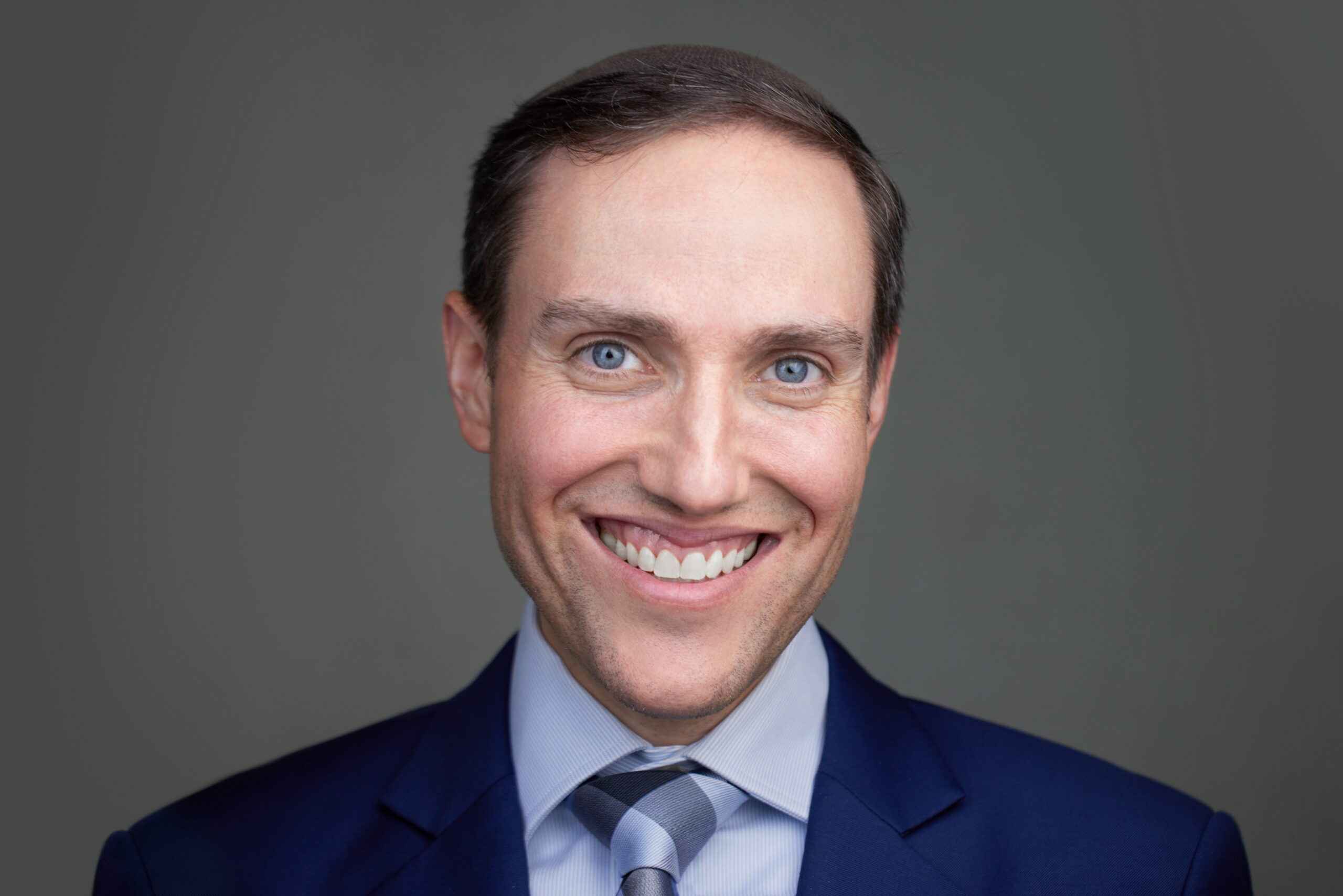
Most people believe meaningful philanthropy requires wealth. Dr Jonathan Donath proved them wrong with $1 and a smartphone.
Over the past seven years, the New York chiropractor has facilitated over $30 million in charitable donations without hosting a single gala, courting wealthy benefactors, or launching traditional fundraising campaigns. His secret? He automated generosity the same way people subscribe to Netflix.
“Every species on Earth is hardwired in our DNA to pass on life,” Donath explains. “To live is to give. When you give, that is you living in your highest alignment with your truest, deepest inner essence.”
But Donath recognized something most philanthropic organizations miss: giving isn’t hard because people don’t care. It’s hard because the barriers feel insurmountable. Which cause deserves attention when thousands compete for dollars? Does a $20 donation really matter? And perhaps most paralyzing—do I even have enough to spare?
These questions push generosity into the “someday” category, where it often dies quietly alongside other good intentions.
The Daily Habit That Changed Everything
Seven years ago, Donath tested a radical hypothesis with friends. What if charitable giving worked like a gym membership—small, automatic, and consistent rather than sporadic and guilt-driven?
He built DailyGiving.org, a platform where members contribute $1 every single day through automated payments. Each morning, donors receive an email detailing where their collective contribution went and whose life they touched. No decision fatigue. No guilt. Just consistent action.
The model removes every friction point that typically derails charitable intent. There’s no need to research organizations or compare causes. No anxiety about whether the donation amount is “enough.” No wrestling with whether this month’s budget allows for generosity.
“Something amazing happens when giving becomes something simple, small, and daily,” Donath says. “It stops becoming an event, and it becomes a part of who we are.”
Building a Global Community of Daily Givers
Today, Daily Giving has grown to over 24,000 members across 51 countries who collectively distribute nearly $9 million annually. The platform has supported over 100 nonprofits worldwide. Daily Giving operates without taking any percentage of donations. They fundraise for all of their operational expenses separately.
But the numbers tell only part of the story. What surprised Donath most wasn’t the cumulative impact—it was the transformation he witnessed in donors themselves.
“Over and over, I hear virtually the same thing: that when they get that daily email, no matter how bad their day is going, when they get the daily reminder that they gave that day, it makes them feel great about themselves,” Donath notes. “Because generosity is not just about who we’re helping—it’s about becoming the kind of person who is a giver.”
This insight reveals why the daily model succeeds where annual giving campaigns often fail. Traditional philanthropy treats generosity as a transaction—something you do. Daily Giving treats it as an identity—something you are.
Redefining Philanthropic Impact
The Daily Giving model challenges fundamental assumptions about charitable effectiveness. Conventional wisdom suggests larger, less frequent donations create more impact. Donath’s experience suggests frequency matters more than amount.
When giving happens daily, it shifts from the category of “financial decision” into the category of “personal practice.” Like meditation or exercise, the cumulative effect of small daily actions creates transformation that occasional large gestures cannot match.
The platform proves that democratizing philanthropy doesn’t dilute its power. A thousand people giving $1 creates the same financial impact as one person giving $1,000, but with an exponentially larger ripple effect in human consciousness. Twenty-four thousand people practicing daily generosity represents 24,000 individuals reshaping their relationship with abundance, purpose, and community.
Donath isn’t a tech entrepreneur or inherited-wealth philanthropist. He’s a chiropractor who recognized that the infrastructure for generosity was broken—and built something better.
Scaling the Habit of Giving
Daily Giving’s mission extends far beyond its current membership. Donath envisions a future where daily generosity becomes as routine as brushing teeth or checking email. Where millions of people contribute small amounts consistently, creating massive collective impact through sustained action rather than sporadic gestures.
“It’s not just for wealthy philanthropists, it’s for everyone who wants to live with more purpose,” Donath explains. “Because the truth is, it’s not about the amount. It’s about how often you give.”
This distinction separates Daily Giving from every charity platform that preceded it. The goal isn’t maximizing individual donation size—it’s normalizing the practice of giving itself.
In a world increasingly defined by isolation and transactional relationships, Donath has built something countercultural: a system that makes human connection and generosity the default rather than the exception. When giving becomes habit, individuals change. When enough individuals change, culture shifts. And when culture shifts, the question becomes not whether people will give, but how they ever lived any other way.
To Find Out More
To find out more or to join this incredible movement, go to www.DailyGiving.org
This article was published on CapitolHillTimes