
Keeping a clean home and maintaining recreational gear often feels like an unending cycle of disposable wipes, single-use plastic bottles, and harsh chemical sprays. Maintaining our belongings does not need to generate piles of landfill waste. Shifting toward an eco-friendly cleaning routine is not about replacing everything you own with expensive specialized gear. Instead, it centers on practical habits, versatile supplies, and caring for everyday items so they stay functional for years.
When you streamline your maintenance routines, you also declutter your mental space. A simple system removes the guesswork from weekly upkeep, making it easier to keep living rooms tidy, mudrooms organized, and travel gear ready for spontaneous adventures.
Rethinking Basic Supplies and Daily Habits
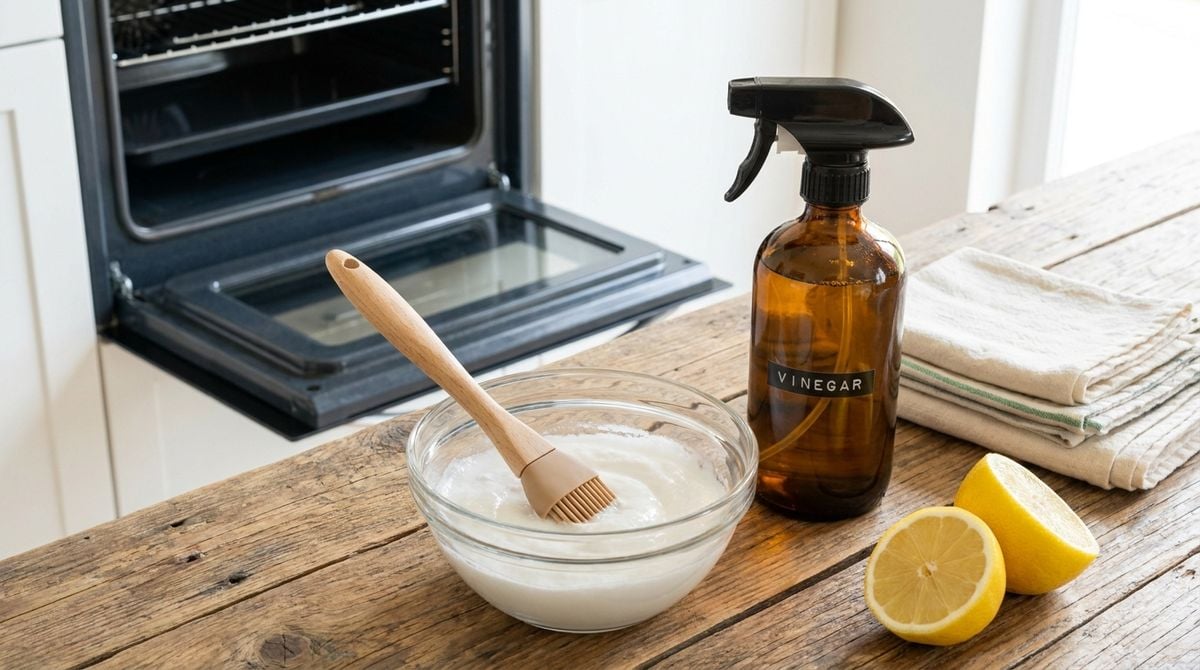
Most surfaces around the home do not require aggressive synthetic cleaners to stay fresh and sanitary. A small collection of time-tested ingredients can manage the vast majority of household chores. Warm water, gentle plant-derived soap, baking soda, and distilled white vinegar provide plenty of cleaning capability. By keeping reusable glass or aluminum spray bottles on hand, you can mix practical solutions as needed without stocking numerous single-purpose commercial products.
Embracing small, sustainable adjustments around the house is often a matter of shifting your mindset rather than overhauling your entire schedule. Exploring everyday lifestyle inspiration on platforms such as awomansviews.com can help you discover practical habits that make sustainable home management feel natural rather than overwhelming. Starting with one room or one specific chore allows the routine to take root before you expand it elsewhere.
Rags and wiping cloths represent another simple area where habits can change. Paper towels are frequently discarded after a single wipe. Cutting worn bath towels, old flannel sheets, or soft cotton shirts into squares provides an endless supply of washable rags. Storing clean rags in a dedicated wire basket makes grabbing and washing reusable cloths just as fast as reaching for paper rolls.
Adopting Sustainable Alternatives for Household Chores
Many conventional household cleaners rely on petroleum-based surfactants and synthetic fragrances that linger indoors. Transitioning toward greener options begins with evaluating the formulations you bring inside. Concentrated cleaning tablets and bulk powders allow you to reuse existing spray bottles while skipping the environmental footprint of shipping heavy water-filled bottles. These compact alternatives take up minimal cupboard space and significantly cut back on plastic waste.
Finding reliable replacements for everyday household consumables becomes much easier when you consult guides like Alternatives Times, which highlights sustainable choices and modern green options for conscious living. Learning about low-impact materials and renewable alternatives helps you choose household solutions that align with long-term ecological balance without adding unnecessary friction to your shopping routine.
Washing tools deserve equal consideration. Synthetic foam sponges break down quickly into tiny plastic particles that escape down household drains. Natural fiber scrub brushes made from tampico fiber, coconut coir, or bamboo provide durable scrubbing power for sinks, pots, and tile. Once these natural tools wear out, they can decompose naturally in compost piles rather than lingering in landfills for a long time.
Caring for Outdoor Gear and Travel Equipment
Recreational equipment, weekend packs, and sports gear often face rough elements, from gritty trail dust to sticky mud. Using harsh household detergents on technical fabrics can degrade weather-resistant coatings and damage breathable membranes. Cleaning outdoor equipment sustainably means using gentle methods that preserve fabric integrity so you do not need to replace expensive gear prematurely.
Vehicles used for weekend trips also benefit from routine care that avoids wasteful practices. Rather than relying on harsh commercial sprays, regular maintenance keeps the interior fresh and functional. For instance, following sensible techniques for cleaning sand out of your car prevents abrasive particles from wearing down fabrics while keeping your vehicle ready for your next outing. Taking care of car interiors with soft brushes and targeted vacuuming extends upholstery life naturally.
After returning from an excursion, setting aside a brief pause for immediate gear care prevents long-term deterioration. Brushing dried mud off hiking boots outside keeps dirt out of the house. Wiping down tent stakes and letting rain jackets air dry completely before packing them into storage prevents mildew growth, ensuring your outdoor supplies remain functional season after season.
A Practical Weekly Maintenance Routine
Establishing a predictable cadence for your chores prevents mess from piling up into an overwhelming project. Dedicating a brief, focused window of time each week allows you to keep both your home surfaces and your travel supplies in dependable condition.
- Wipe down high-touch household surfaces using washable cotton cloths and a mild soap spray.
- Brush dried dirt and grit off footwear, backpacks, and outdoor jackets before putting them away.
- Shake out vehicle floor mats outdoors and wipe interior trim with a damp cloth.
- Hang damp cleaning rags, mops, and sponges in a ventilated space to dry thoroughly.
- Refill empty spray bottles from concentrated soaps or bulk pantry ingredients for the coming week.
Managing Water and Air Drying Mindfully
Water usage is an essential component of sustainable cleaning that often goes overlooked. Leaving a faucet running while scrubbing gear or rinsing rags wastes large volumes of clean water. Using a dedicated wash bucket or shallow basin allows you to submerge cloths and gear without continuous flow. Once finished, grey water from washing dirt off garden tools or boots can often be poured onto outdoor flower beds.
Proper air drying is equally vital for keeping gear in pristine shape without relying on chemical deodorizers. High heat from clothes dryers can shrink technical fabrics and degrade elastic bands. Hanging damp outerwear, tents, and cleaning rags on a simple clothesline or drying rack in a well-ventilated room lets airflow refresh materials safely, cutting down on household energy consumption.
Building Lasting Habits for a Calmer Home
A sustainable cleaning routine is ultimately about consistency, not perfection. You do not need to eliminate every commercial product to make a positive impact. By focusing on steady, repeatable actions, you transform maintenance from a stressful chore into a satisfying expression of care for your environment. When your tools are durable, your solutions are simple, and your routine is predictable, household upkeep becomes second nature.
Taking deliberate care of what you already own is one of the most rewarding ways to live lightly and responsibly. A tidy entryway, clean recreational gear, and a fresh living space give you the freedom to focus on what matters most during your days off. With a few mindful choices and a commitment to simple maintenance, your home and equipment will stay ready for whatever lies ahead.