
Coming home after a long trip is a good moment to look at the car. Many people drive straight from the airport or station, park the vehicle in the same spot, and then leave it for weeks. That gap can change how the car behaves. Small issues that stayed hidden during daily driving can show up in the first few minutes on the road. A short, careful check before the first real drive can prevent a stressful roadside moment and help you settle back into everyday life with less worry. The steps below are general information for ordinary cars and are meant to help you notice things early, not to replace a professional inspection.
Why a parked car needs a fresh look
A car that sits still for a long time is not necessarily broken, but it is not in exactly the same condition it was when you left. Fluids settle, rubber parts can dry out, and the battery slowly loses charge even when nothing is switched on. Changes in temperature in a garage or on an open driveway can also affect tyres and seals. None of these things usually points to a serious fault, yet they are easy to miss. Taking a few minutes to walk around the vehicle turns an unknown into something you can actually see and judge.
Readers may also want to visit cookiebot. Keep the owner’s handbook in the glovebox as well, because it often lists the correct tyre pressures, fluid levels, and warning light meanings for your specific model. You do not need to become a mechanic to do a good first inspection.
A simple walk-around checklist
Start outside the car with a slow walk around it, in good light if you can. Look at each tyre first, checking for flat spots, bulges, cracks in the sidewall, and any nails or small objects stuck in the tread. Then move on to the glass and the lights, because they are easy to overlook when you are carrying bags.
1. Check the pressure in all four tyres with a gauge, not just by eye, and compare it with the figure in the handbook.
2. Look on the ground beneath the car for puddles, drips, or stains that were not there before you left.
3. Inspect the wiper blades and the windscreen for cracks, chips, or rubber that has hardened.
4. Confirm that all exterior lights work, including indicators, brake lights, reverse lights, and number plate lights.
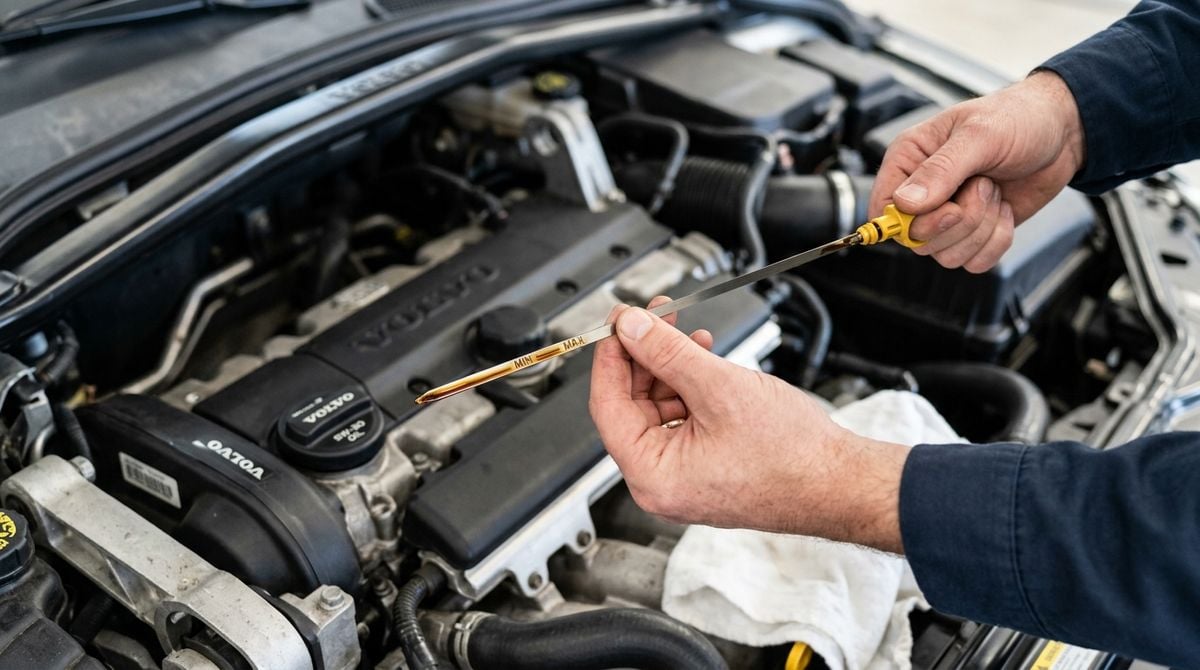
5. Open the bonnet and look at the drive belts, the hoses, and the levels of engine oil and coolant.
Once the outside is done, sit in the driver’s seat and check the cabin before you start the engine. Make sure the handbrake is applied, the gear selector is in the correct position, and the mirrors and seat settings suit you. Look for any warning lights that stay on when the ignition is switched on. Many cars run a short self test at this point, and a light that remains lit after the test is worth noting. You can also visit bbcworldservicetrust.org for more reading.
Checking the battery and electrics
A battery that was not used for weeks may have lost enough charge that the engine turns over slowly or not at all. Before you turn the key, make sure all the doors are closed and no interior lights are switched on. If the car starts normally, let it idle for a few minutes and watch the dashboard. Warning lights that stay on after the engine warms up deserve attention. A battery symbol, an oil symbol, or a check engine light should be recorded before you decide what to do next.
What to do if something looks wrong
Not every warning is an emergency, but some are. If you notice a strong smell of fuel, smoke from the engine, a brake pedal that feels soft or sinks slowly, or steering that pulls hard to one side, do not continue the journey. Turn the engine off and contact a qualified workshop or a roadside service. Many people try to drive the last few streets to the nearest garage, and that can turn a small problem into a costly repair. Stopping early is almost always the wiser choice, even when it feels inconvenient. For a related read on this site, see Choosing Between a Quick Service Visit and Scheduled.
If the warning is minor, such as a tyre pressure light that clears after you inflate the tyre, you can usually continue with care. Write down the date, the mileage, and what you did. That record helps a technician understand what happened during your absence.
Your first drive back
Once the checks are complete, plan a gentle first drive. Choose quiet roads where you can build speed slowly. Listen for unusual noises from the wheels, the brakes, and the engine. Test the brakes at low speed in a safe area before you move onto faster roads. Pay attention to how the steering feels, because a change in tyre pressure or a small fluid leak can make the car feel slightly different. If the first few kilometres feel normal, you can return to your usual routine with more confidence. A short drive in a familiar area is a good way to rebuild the habit of driving before you tackle a busy motorway.
Settling back into routine includes the car as well as the house, the calendar, and the inbox. A short check before the first trip, a notes page for anything unusual, and a habit of glancing at the dashboard will make the transition smoother. Over time, a regular service schedule and a tidy record of repairs also help you spot patterns early. When in doubt, a trusted technician can give you a clear answer and a realistic plan.