
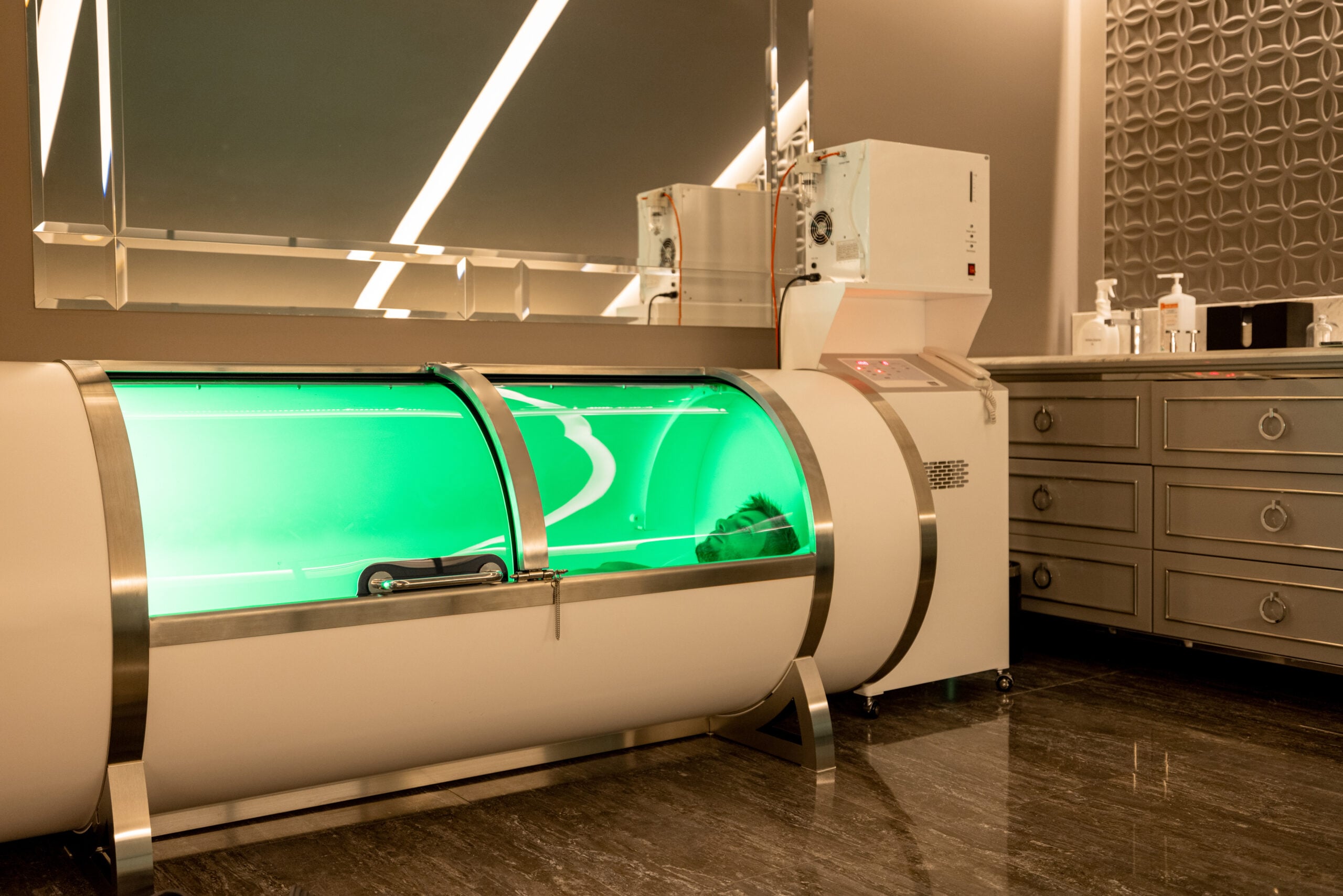
The brain is one of the most oxygen-dependent organs in the body. When oxygen supply is disrupted — even briefly — the effects can be significant. This has sparked growing interest in hyperbaric oxygen therapy (HBOT) as a potential tool for supporting brain health and recovery.
But what exactly is HBOT, and is there real substance behind the claims?
What Is Hyperbaric Oxygen Therapy?
Hyperbaric oxygen therapy involves breathing pure oxygen inside a pressurized chamber. The increased atmospheric pressure allows the lungs to absorb far more oxygen than they would under normal conditions. That oxygen-rich blood then circulates throughout the body — including the brain.
Originally developed to treat decompression sickness in divers, HBOT has since been studied for a much wider range of applications, with brain health emerging as one of the most compelling areas of research.
How It May Benefit the Brain
The brain thrives on oxygen. When tissues are deprived of adequate oxygen — due to injury, inflammation, or reduced blood flow — cellular function suffers. HBOT aims to address this by flooding the body with oxygen at levels not achievable through normal breathing.
Several mechanisms are thought to contribute to its potential brain health benefits:
- Neuroplasticity support — Elevated oxygen levels may stimulate the formation of new neural connections, which is critical for learning, recovery, and adaptation.
- Reduced neuroinflammation — Chronic inflammation in the brain is associated with cognitive decline and various neurological conditions. HBOT has been studied for its anti-inflammatory effects.
- Improved cerebral blood flow — The therapy may promote the growth of new blood vessels, enhancing circulation to areas of the brain that are underserved.
- Cellular repair — Oxygen plays a fundamental role in cellular energy production and repair, potentially helping damaged brain cells recover more effectively.
Conditions Being Explored
Researchers and clinicians have been investigating HBOT in the context of several brain-related conditions:
- Traumatic brain injury (TBI) — Some patients recovering from TBIs have reported improvements in cognitive function, memory, and mood following HBOT protocols.
- Post-COVID neurological symptoms — Brain fog and cognitive difficulties linked to long COVID have drawn attention to HBOT as a potential intervention.
- Stroke recovery — There is ongoing research into whether HBOT can support neurological recovery after stroke by reactivating dormant brain tissue.
- Age-related cognitive decline — Some studies suggest HBOT may slow certain markers of brain aging, though this area warrants further investigation.
It’s worth noting that while results from clinical studies are promising in some areas, the research is still evolving. HBOT is not a universal cure, and its effectiveness can vary based on the condition, the individual, and the treatment protocol used.
What a Typical Session Looks Like
A standard HBOT session typically lasts between 60 and 90 minutes. Patients lie or sit inside a sealed chamber while breathing 100% oxygen under elevated pressure. Most therapeutic protocols involve multiple sessions over several weeks.
The experience is generally well-tolerated. Some people report mild ear pressure — similar to the sensation during a flight — which resolves quickly.
Is It Right for You?
HBOT is not a one-size-fits-all solution. It’s best pursued under the guidance of a qualified medical professional who can assess your specific health profile and goals. As research continues to develop, it’s increasingly being recognized as a meaningful complement to conventional neurological care.
If brain health is a priority — whether due to injury, illness, or simply a desire to age well — HBOT is a conversation worth having with your healthcare provider.