
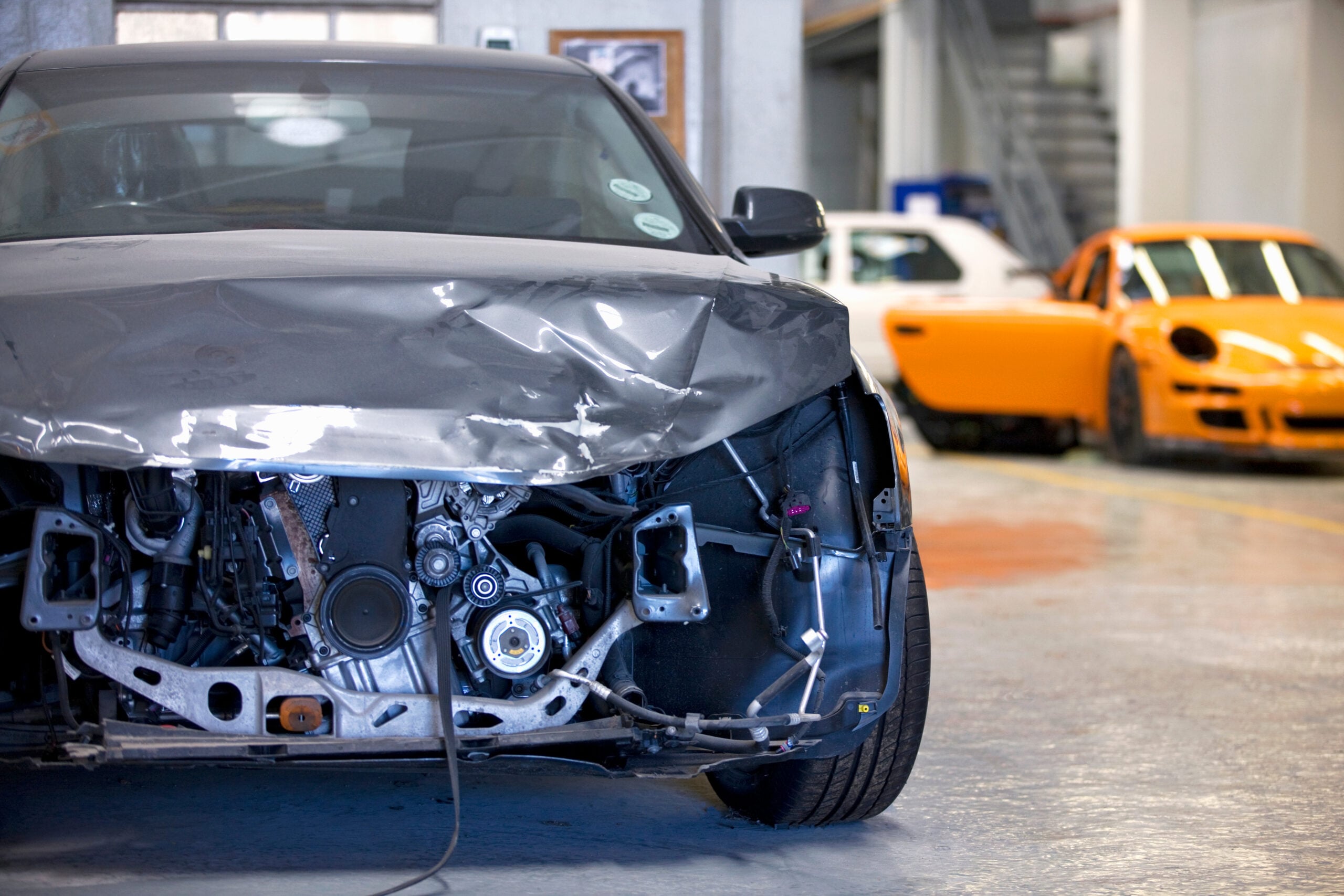
Coming back to find your parked car damaged — with no note, no driver in sight — is genuinely frustrating. You’re left holding the bag for something that wasn’t your fault. But how you respond in the next few hours can make a big difference in whether you recover costs or get stuck paying out of pocket. Here’s exactly what to do.
Stay Calm and Assess the Damage
Before anything else, take a breath. Walk around your vehicle and carefully look at the full extent of the damage. Check for dents, scratches, broken lights, or paint transfer. Even minor-looking damage can be deceiving — what seems like a small scuff can hide structural issues underneath that require professional auto body repair.
Don’t move your car yet. The scene as you found it matters.
Document Everything Thoroughly
Pull out your phone and start documenting. Take clear photos and videos of:
- All visible damage to your vehicle
- The surrounding area, including nearby signage, parking lot markings, and other vehicles
- Your car’s position in the space
The more evidence you capture, the stronger your position will be — whether you’re dealing with insurance or another driver.
Look for Witnesses and Security Cameras
You’d be surprised how many hit-and-run incidents are caught on camera. Scan the area for:
- Parking lot surveillance cameras
- Nearby business cameras
- Doorbell or dash cameras from surrounding vehicles or homes
If anyone witnessed what happened, get their name and contact information right away. A witness account can be a game-changer when filing a claim.
File a Police Report
Many people skip this step, assuming it won’t lead anywhere. Don’t. Filing a police report creates an official record of the incident. Some insurance claims require it, and it can help law enforcement identify the responsible driver if security footage turns up later.
Call your local non-emergency police line or visit the station in person. Be ready to provide the time and location of the incident, photos, and any witness information you’ve gathered.
Contact Your Insurance Company
Notify your insurer as soon as possible, even if you’re not sure you want to file a claim. Explain what happened and provide all the documentation you’ve collected. Depending on your coverage, your uninsured motorist property damage or collision coverage may apply.
Keep in mind that filing a claim could affect your premium, so it’s worth having an honest conversation with your insurer about your options before committing.
Get a Professional Auto Body Repair Estimate
Once you’ve filed a police report and notified your insurer, get your vehicle inspected by a qualified auto body repair shop. A professional assessment will give you an accurate picture of the damage and what it will cost to fix it properly.
Don’t settle for a quick patch job. Proper repairs restore both the appearance and the structural integrity of your vehicle — which matters for your safety and its resale value.
Keep Records of Everything
From the moment you discover the damage, keep a running record of:
- All photos and videos
- The police report number
- Insurance correspondence
- Repair estimates and invoices
These records protect you throughout the claims process and ensure nothing falls through the cracks.
Getting hit by a driver who doesn’t stick around is infuriating — but staying organized and acting quickly puts you in the best position to come out of it without a major financial hit. Document thoroughly, report promptly, and trust a reputable auto body repair professional to restore your vehicle the right way.