
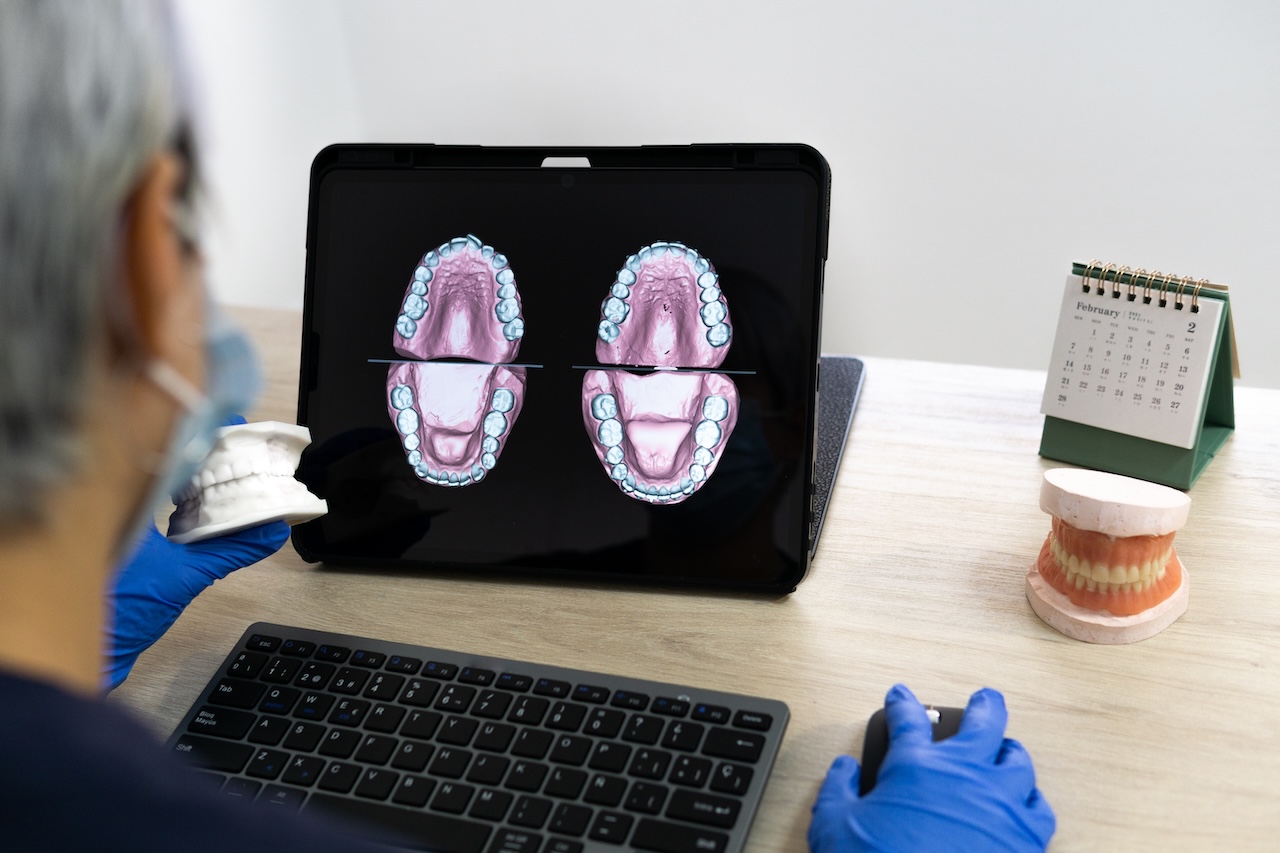
In the ever-evolving field of dentistry, staying ahead with advanced equipment isn’t merely about adopting the latest trends—it’s about delivering top-notch patient care and maintaining a competitive edge in your practice. Upgrading your dental equipment not only improves efficiency but also enhances the patient experience, offering more comfortable and effective treatments. If you’re wondering how to begin this daunting yet rewarding process, this blog will guide you through the key steps involved.
1. Assess Your Current Equipment and Needs
Every dental practice is distinctive, with unique strengths and areas for growth. Start by thoroughly evaluating your current equipment and identifying what needs improvement or replacement. Pay close attention to:
- Machines or tools that frequently break down or require repairs.
- Outdated technology that fails to meet industry standards.
- Equipment types that could improve operational efficiency or patient care.
An honest assessment will also help you prioritize upgrades based on urgency and your practice’s long-term goals. For example, if your X-ray machines are outdated, upgrading them with digital imaging technology can lead to faster diagnoses and happier patients.
2. Research Emerging Technologies
The dental sector is ever-expanding with new tools and technologies that revolutionize how care is provided. Once you’ve pinpointed the equipment that needs upgrading, dive into research. Some modern innovations worth considering include:
- 3D Imaging and CAD/CAM Systems: These tools enhance precision and streamline the process of creating dental restorations like crowns and bridges.
- Intraoral Scanners: Replace dental impressions with high-definition scans that are quicker, more accurate, and much more comfortable for patients.
- Dental Lasers: These are ideal for soft-tissue procedures, providing less invasive treatments that promote quicker healing times.
Staying informed about the latest advancements ensures that your replacement aligns with the future of dentistry while fostering confidence in your patients.
3. Plan for the Financial Investment
Upgrading dental equipment is undoubtedly a financial commitment, but it’s also an investment in your practice’s success. Budgeting strategically is vital. Start by creating a cost analysis that factors in:
- The upfront cost of the equipment.
- Potential savings in maintenance and repairs.
- Estimated improvements in productivity and patient satisfaction.
Exploring financing options like loans, leasing, or equipment-specific grants can also ease the cost burden. Remember, upgrading key tools enhances your ROI over time by attracting new patients and improving efficiency.
4. Train Your Team on New Equipment
Even the most advanced equipment falls flat if your team doesn’t feel confident utilizing it. Proper staff training ensures that everyone—from the front desk to dental assistants—understands how to operate the new tools effectively. This not only prevents misuse or errors but also optimizes workflow across your practice.
Consider organizing vendor-led training programs or workshops to get your staff acquainted with the new technology. Regular practice sessions and feedback loops also help in fine-tuning operations once the equipment is integrated.
5. Prioritize Patient Experience
No upgrade is complete unless it actively improves your patients’ experience. Keep your patients’ comfort and satisfaction in mind while making decisions. For instance:
- Use ergonomic dental chairs that make procedures less stressful.
- Opt for tools that reduce noise or discomfort during procedures.
- Share your new capabilities with patients during consultations to educate them on how the upgrades benefit their treatments.
Patients can sense when a practice is willing to invest in quality care, which, in turn, boosts loyalty and referrals.
6. Build a Maintenance Plan for Longevity
Once your upgraded equipment is up and running, the goal is to prolong its usability and maintain its peak performance. Establish a robust maintenance schedule that includes routine cleaning, inspections, and servicing by vendors or professionals.
Additionally, train your staff on proper daily care habits to minimize wear and tear. Regular attention to your upgraded tools ensures uninterrupted service and maximizes the lifespan of your investment.
Future-Proofing Your Practice
Upgrading dental equipment is more than an operational decision—it’s a commitment to better serving your patients and creating a smoother workflow for your team. By following thoughtful processes like assessment, research, and training, you not only elevate the quality of care but also position your practice for long-term success.
Take the first step today, and watch how modern technology can transform both your practice and patient satisfaction.