
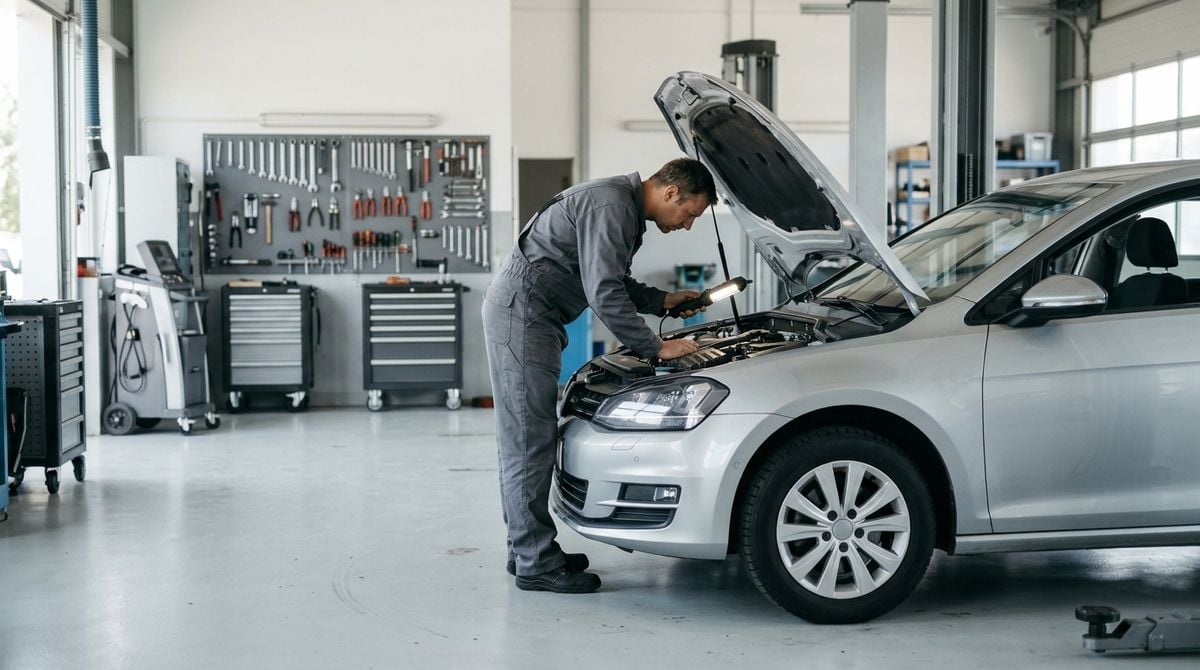
Many people who move to a new country bring an older car with them, or buy one locally because it is affordable. The vehicle may serve well for years, yet it becomes harder to maintain when the trusted mechanic from home is thousands of miles away and the local garages use different terms, parts and procedures. A calm, organised approach to maintenance can keep an older car reliable and reduce the chance of expensive surprises. This article offers general guidance on maintaining an older car in an unfamiliar area. It is not a repair manual, and any safety concern should be checked by a qualified mechanic.
Build a maintenance record from day one
Start by gathering everything you know about the car. Collect the service book, any receipts, and notes about recent repairs or known issues. If the previous owner did not keep records, write down what you can remember, and note the date and mileage when the car first came into your care. A clear history helps any new mechanic understand what has been done and what may need attention soon. Share the record at the first visit so that the mechanic can focus on current concerns rather than guessing at the past.
Keep the record up to date. Note each service, each replacement part and each problem that appears, with the date and the approximate mileage. Over time, this log reveals patterns, such as a component that wears faster than expected or a warning that returns after every cold morning. A simple notebook or a spreadsheet works well for this purpose. A photograph of the service book pages, stored in your phone, is a useful backup if the paper record is lost.
Find a mechanic before you need one
Waiting until a breakdown to look for a garage is stressful and often leads to rushed decisions. Ask neighbours, colleagues or community groups for recommendations, and visit a few workshops when the car is running well. Notice whether the staff explain the work clearly, whether they show you the old parts and whether they give written estimates. A good mechanic should be willing to answer questions without making you feel foolish. Ask about the workshop’s experience with the make of your car, since older vehicles sometimes need specialist knowledge.
Readers may also want to visit Pinterst. Keep the name and number of your chosen workshop in your phone, along with a note of the make, model and year of the car.
Plan routine checks around the local climate
Climate has a major effect on an older car. Heat can stress the cooling system, cold can slow the battery and dust can clog filters. Check the coolant level, the battery terminals and the air filter at regular intervals, and adjust the schedule if the weather in your new area is harsher than the weather you were used to. Keep a spare set of wiper blades and a basic tool kit in the vehicle, because they are cheap to carry and useful when a fault appears away from home.
Tyres deserve particular attention. Check the pressure regularly, look for uneven wear and replace tyres that are worn or damaged. Ask a qualified professional to confirm the correct tyre specification for your vehicle, because the wrong size or type can affect handling and safety. You can also visit shaftdeals.com for more reading.
A simple monthly check takes only a few minutes:
- Check the tyre pressure and look for unusual wear.
- Inspect the battery terminals for corrosion.
- Look for leaks under the car after it has been parked overnight.
- Note any new noise, smell or warning light in the maintenance log.
Carry essentials and plan for the long drive
An older car is more likely to need help far from home, so carry a few essentials: a charged phone, a basic first aid kit, a torch, water and a tool kit suitable for the car. Check that the breakdown cover, if you have one, is valid in your new area and that you know how to contact it. Before a long trip, arrange a full check with a mechanic, especially if the car has not been serviced recently. For a related read on this site, see Preparing Your Car for Carrying Guests and Their.
If a warning light appears while you are driving, reduce speed when it is safe, find a secure place to stop and check the owner’s manual. Do not ignore persistent warnings, because they can signal a problem that becomes more serious over time. Seek advice from a qualified mechanic before continuing a long journey.
Keeping an older car running far from familiar help depends on steady habits. Build a clear maintenance record, find a trusted mechanic before a crisis, plan checks around the local climate and carry essentials for longer trips. With those routines in place, the car can remain a dependable part of life in a new place.