
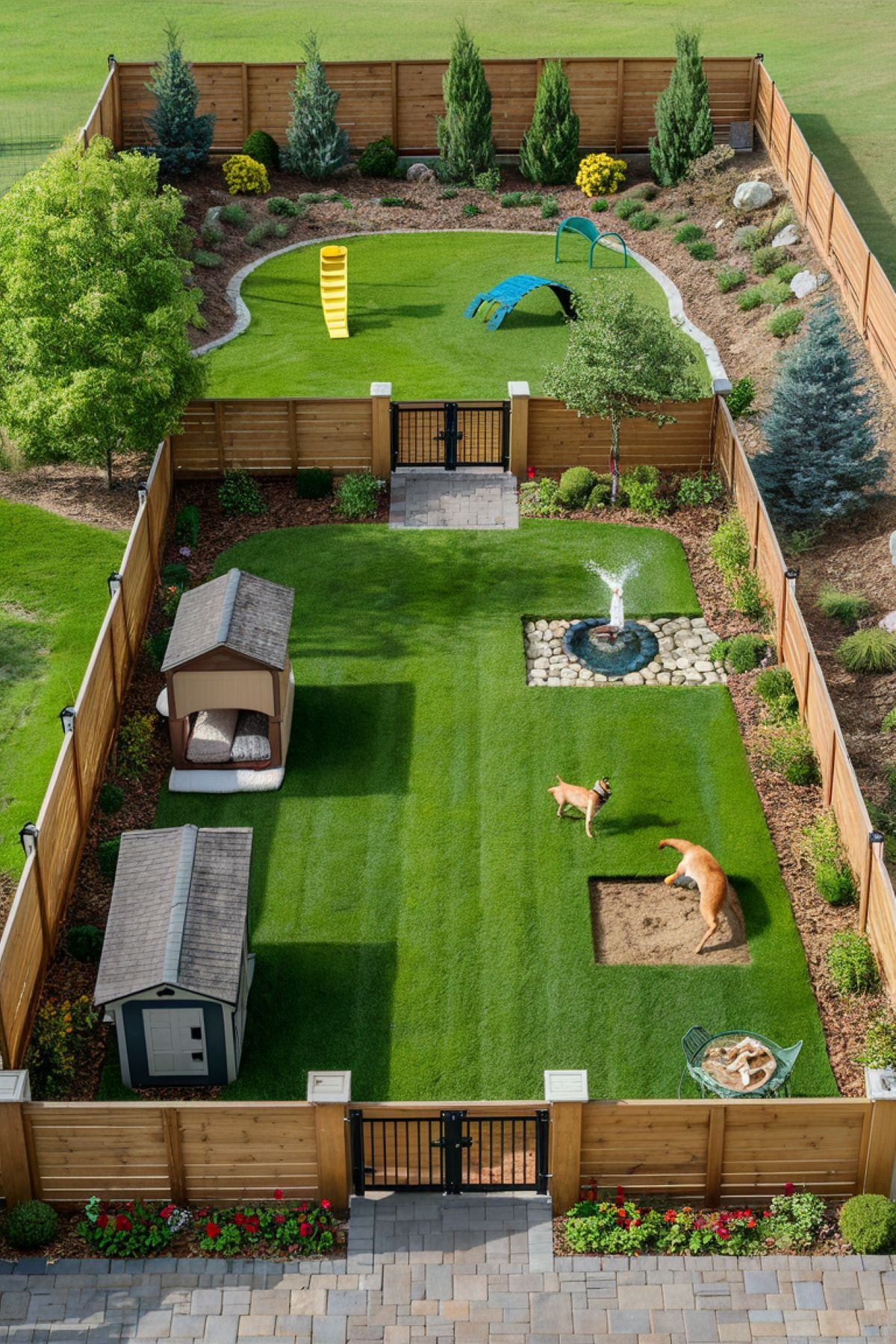
A home dog play area setup is one of the more practical investments a dog owner can make, particularly for households where the dog spends meaningful time in the backyard unsupervised or semi-supervised throughout the day. Done well, it transforms a plain fenced yard into a space that actively engages a dog rather than just containing one — which translates directly into a calmer, better-exercised dog and meaningfully less of the destructive or anxious behavior that comes from boredom and pent-up energy.
Why a Plain Yard Often Isn’t Enough
Most yards, even reasonably large ones, don’t provide much in the way of genuine engagement for a dog left to their own devices. Grass to run on is exercise, but it’s not enrichment in the way that climbing, exploring varied terrain, or having defined activities provides. Dogs left in an under-stimulating yard for extended periods often develop the behaviors owners find most frustrating — excessive barking, digging, fence-line pacing, or chewing on things they shouldn’t.
A thoughtfully designed home dog play area setup addresses this directly by giving a dog things to actually do rather than just space to occupy. The difference in behavior between a dog with access to genuine play structures and one in a bare yard is often significant enough that owners notice the change within the first few weeks.
Choosing Equipment That Fits Your Dog and Space
The right equipment depends heavily on the specific dog and the available space. An elevated platform or ramp gives a dog vantage points to survey the yard from, which many dogs genuinely enjoy and use regularly once it’s available. A tunnel provides exploration and play value that flat ground simply doesn’t offer. For dogs with higher energy levels or specific breeds prone to digging or jumping, equipment that channels that instinct productively — a designated digging area, structures appropriate for safe jumping — can redirect behavior that would otherwise show up in unwanted ways elsewhere in the yard.
Dog play equipment built for outdoor residential use needs to handle weather exposure that indoor commercial equipment doesn’t face — UV exposure, rain, temperature swings — which is why outdoor-rated materials and construction matter more for a home dog play area setup than they might for an indoor space.
Sizing Equipment Appropriately
One of the more common mistakes in planning a home setup is choosing equipment sized for an average dog rather than the specific dog actually using the space. A small breed navigating equipment built for large dogs may find it genuinely difficult or intimidating to use, while a large breed using undersized equipment risks both discomfort and structural strain on gear that wasn’t built to handle their size and weight.
The Mini Series addresses smaller dogs specifically, with appropriately scaled dimensions that smaller breeds can navigate confidently rather than equipment that technically works but doesn’t actually suit their proportions or confidence level.
Layout Considerations for Residential Yards
Unlike a commercial facility with a large dedicated space, most residential yards require equipment placement that works around existing landscaping, structures, and the practical reality of a yard that serves multiple purposes beyond dog play. Placing equipment along yard perimeters rather than centrally often preserves more open running space while still providing climbing and exploration opportunities.
Consider sight lines from inside the house as well — equipment positioned where it’s visible from a kitchen window or back door makes it easier to supervise a dog’s play even when not directly outside, which matters for households where the dog spends time in the yard while an owner is occupied indoors.
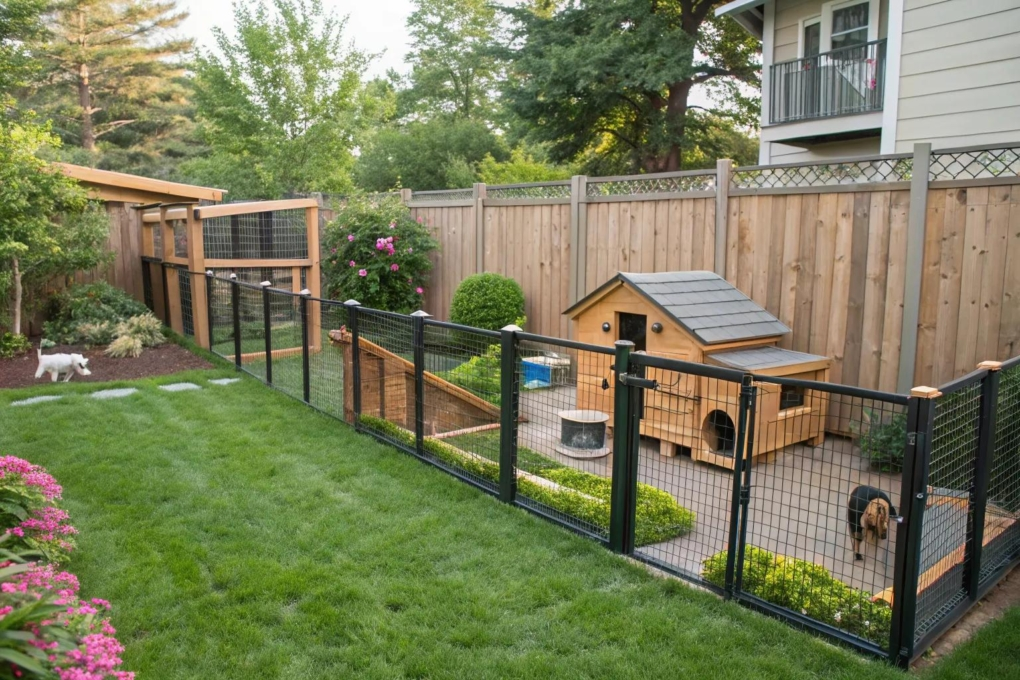
Durability Matters More Outdoors Than People Expect
Outdoor equipment faces a different set of stresses than anything used indoors. Sun exposure degrades many materials over time, rain and moisture create conditions for rot or rust depending on construction, and temperature swings between seasons put real stress on joints and connections. Equipment that isn’t specifically engineered for sustained outdoor exposure tends to deteriorate faster than owners expect, often within a single season of heavy use.
Investing in genuinely outdoor-rated dog exercise equipment from the start avoids the frustration and added expense of replacing equipment that wasn’t built to handle the actual conditions of a backyard setup. The upfront cost difference between properly rated outdoor equipment and equipment that isn’t built for sustained exposure is usually smaller than the cost of replacing failed equipment within a year or two.