
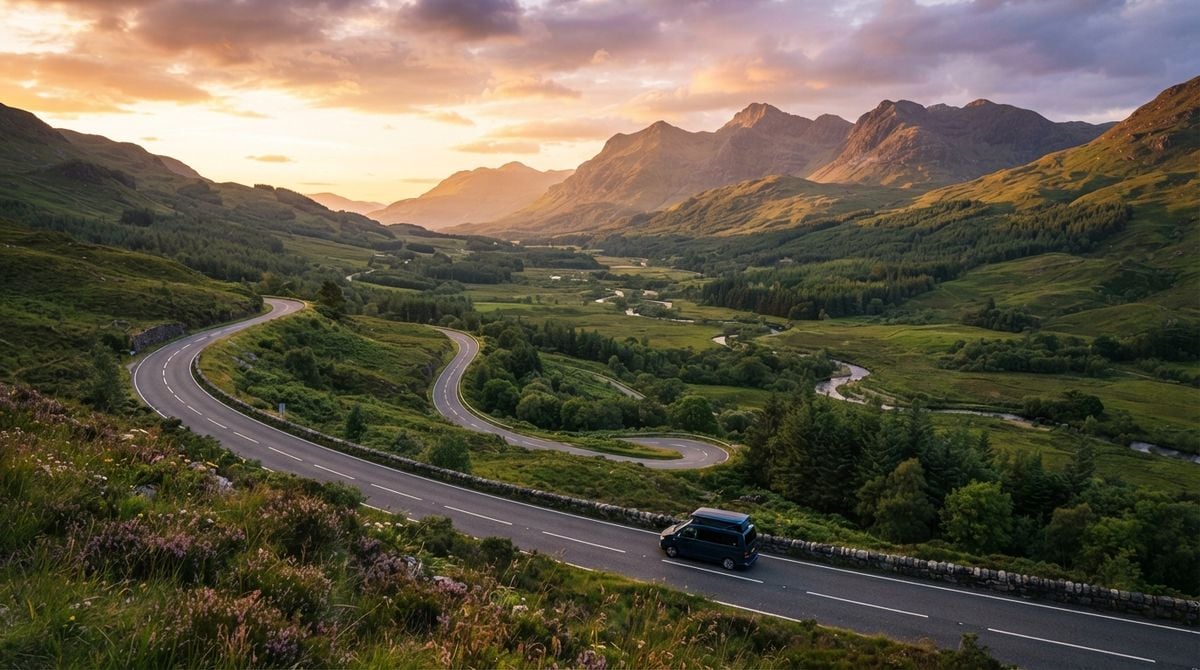
Roads through parks, forests, deserts, and rural habitat can offer memorable views, but they also cross places where animals feed, migrate, or rest. Responsible planning reduces collision risk, disturbance, and pressure on fragile areas. It begins with slower expectations and current local information.
Wildlife behavior and road conditions are unpredictable. Follow park staff, road authorities, and emergency instructions. Never approach or feed wild animals.
Research the route’s active periods
Check official sources for wildlife crossings, seasonal closures, dawn or dusk warnings, and areas where stopping is prohibited. Some routes require permits or restrict travel after dark. Build the itinerary around those rules rather than trying to squeeze through at the edge of a closure.
Readers may also want to visit Fact City. Learn what to do if a particular large animal is on or beside the road; advice varies by species and region.
Plan fuel, restrooms, food, and communications because services may be sparse. Save emergency contacts and maps offline.
Drive for visibility and stopping distance
Obey posted limits and slow further when visibility, weather, or animal activity requires it. Keep a generous following distance and scan road edges without fixating on one point. High beams should be used only where legal and without dazzling others.
Prepare the vehicle before entry:
- Clean windows, mirrors, lights, and cameras
- Secure luggage so it cannot shift during controlled braking
- Confirm fuel and essential fluids are adequate
- Store food and waste in wildlife-safe ways
- Give the driver time to rest before low-light sections
You can also visit All The Rage Faces for more reading.
Respond without creating a second hazard
If an animal appears, brake in a controlled manner while maintaining the safest possible path. Do not swerve blindly into opposing traffic or off the road. Use the horn or other actions only if local guidance recommends them.
Do not stop in a live lane for photographs. Use designated pullouts, remain inside the vehicle where required, and keep the legal distance. An animal that seems calm can move suddenly.
If a collision occurs, stop only where safe, contact the proper authority, and do not approach an injured animal. Follow reporting requirements and protect passengers from traffic.
Leave no roadside invitation
Carry all waste out or use approved containers. Food scraps are still food and can draw animals toward vehicles. Keep pets restrained and follow park restrictions; their presence can disturb wildlife and put both animals at risk.
Choose established rest areas and trails rather than creating a new stopping place. Respect closures even when the road looks passable. Share sightings with officials when requested, without broadcasting sensitive locations publicly.
For a related read on this site, see How to Share Driving Duties on a Long. Wildlife-road travel is most rewarding when the schedule leaves room to slow down. The responsible traveler protects visibility, avoids close encounters, and accepts that the animals—not the itinerary—set the pace.
Make the plan easier to maintain
Keep a simpler version available for days with less time or capacity. Preserving the essential safety and care steps is more useful than abandoning the routine because its ideal version will not fit.
When outside information can change, check the issuing authority rather than an old screenshot or secondhand summary. Save the update time so everyone knows how current the decision is.
End with a reset that prepares the next use: return items, note damage, recharge what is needed, and update the list. A reliable closing step prevents current convenience from becoming a later obstacle.
Try the plan once under ordinary conditions before relying on it during a rushed, tiring, or unfamiliar day. A calm trial reveals missing supplies, unclear steps, and assumptions that are easy to overlook on paper.
Invite another person to explain the plan back in their own words. Their questions can expose confusing labels, inaccessible storage, unrealistic timing, or responsibilities that were never clearly assigned.
Keep the notes in a place connected to the activity rather than in a forgotten general folder. Include the date reviewed, the source of changing information, and the person responsible for the next check.
Notice what creates friction during real use. Moving one item, changing the order, reducing a choice, or allowing more time can improve consistency more than adding another product or complicated rule.
Plan for an ordinary disruption, such as poor weather, low energy, a closed service, or a missing item. A modest backup protects the essential purpose without requiring the whole day to proceed exactly as expected.