
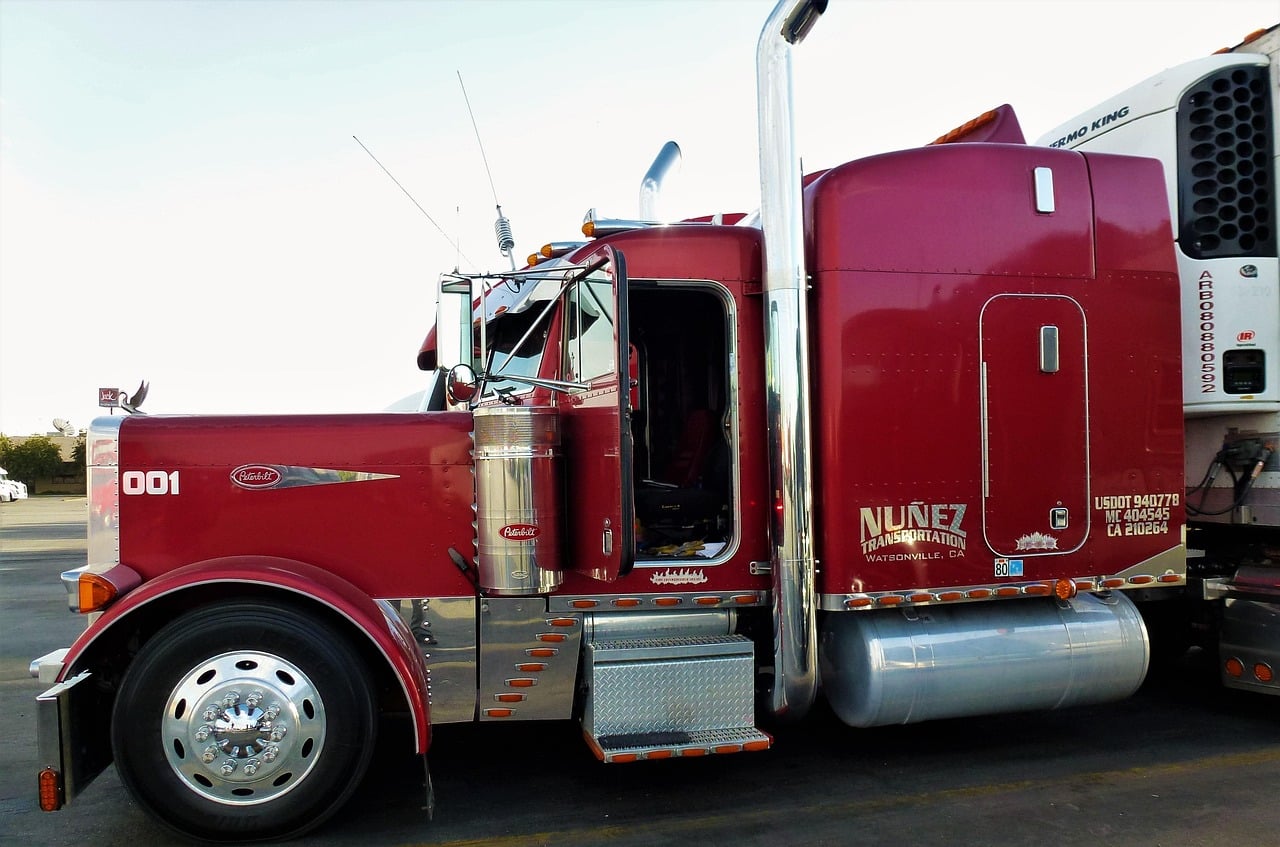
A woman I know was hit by a semi on I-5 north of Everett. Broken ribs, a fractured wrist, and a concussion that took eight months to resolve. The other driver ran a red light. There were two witnesses and a traffic camera that caught the whole thing.
The trucking company’s attorney called her six days later.
Not to apologize. Not to discuss settlement. To ask if she’d be willing to give a recorded statement about what she remembered from the moments before the crash.
She said yes because she thought it would help move things along. It didn’t. That statement became one of the primary tools the defense used to argue she’d contributed to the accident by failing to anticipate the truck’s movement through the intersection.
She had no idea that call was the opening move in a defense strategy the carrier’s legal team had been running for years.
Large trucking companies don’t wait for lawsuits to start preparing their defense. They start the moment a serious accident gets reported.
Most carriers of any size maintain relationships with rapid response teams, specialized law firms, accident reconstruction companies, and insurance adjusters whose entire job is to get to a crash scene fast, document everything in a way that protects the carrier, and start building a defensive narrative before the injured party has found an attorney or sometimes even left the hospital.
This isn’t speculation. It’s documented industry practice. The time between the crash and when an injured person retains counsel is the most valuable window the defense has, and they use it completely.
Blaming the Other Driver First
The most consistent defense strategy in truck accident cases is assigning fault to the other driver. It works often enough that carriers deploy it as a default, even in cases where the truck driver’s liability seems obvious.
Washington state uses a pure comparative fault system. If you’re found 30% responsible for the crash, your recovery is reduced by 30%. If the defense can push your percentage high enough, the practical value of your claim drops significantly even if you win.
The recorded statement the woman gave six days after the crash was useful to the defense precisely because she was still shaken, still processing, and described herself as “moving through the intersection” in a way that the defense later framed as failing to properly check cross-traffic. She’d said nothing wrong. The framing came later.
Don’t give recorded statements to the trucking company’s insurer. You have no legal obligation to do so. Your attorney handles that communication. The call that seems like routine claims processing is often something else entirely.
The federal regulations that govern commercial trucking create a paper trail that can either build a strong plaintiff’s case or, if the carrier managed it carefully, support a defense narrative.
The Federal Motor Carrier Safety Administration requires carriers to maintain driver qualification files, hours-of-service logs, vehicle maintenance records, drug and alcohol testing results, and inspection reports. These records document what the carrier knew and when. In cases involving fatigued driving, brake failures, or untrained drivers, these records are often the most damaging evidence against the carrier.
Carriers know this. Their legal teams know exactly which records are required to be kept, for how long, and which ones are most likely to contain evidence of negligence. Retention windows for some records are as short as six months. A carrier whose driver was fatigued at the time of the crash has no regulatory obligation to preserve hours-of-service logs beyond that window unless someone formally demands it.
The spoliation demand, the formal legal notice requiring preservation of all records related to the vehicle, the driver, and the incident, has to go out immediately. Before the retention window closes. Before the carrier’s attorneys decide what’s worth keeping. An injured person who waits three months before retaining counsel may find that the most important records no longer exist.
Attacking the Injury Itself
Trucking company defense attorneys challenge injuries in several specific ways that injured people often don’t anticipate.
The first is pre-existing conditions. If you’ve ever had a back problem, a neck injury, a prior concussion, or any condition that involves a body part now claimed as injured, the defense will find it. They’ll obtain your complete medical history going back years and argue that your current symptoms are a continuation of the prior condition rather than a result of the crash. This argument works when the plaintiff’s medical documentation doesn’t clearly establish what changed after the accident. It works significantly less well when a treating physician has specifically documented that a previously stable condition was acutely worsened by the crash.
Social media comes next. Defense investigators monitor plaintiff social media accounts throughout litigation. A photograph from a family event posted three months into a claim that involves limited mobility doesn’t need to show anything dramatic to create a problem. It just needs to exist. Defense attorneys use these posts in depositions, in summary judgment motions, and in front of juries. Going dark on social media for the duration of a truck accident claim isn’t overcaution. It’s basic protection.
Independent medical examinations are another tool. In Washington, the defense typically has the right to have you examined by a physician of their choosing. These examinations are called independent but they’re not. The physicians who conduct them do substantial volumes of work for defense firms and insurers. Their findings consistently favor the defense. Preparing for an IME with your own physician beforehand and understanding what it’s actually measuring matters more than most injured people realize going in.
This breakdown of how trucking company records explain crash causes covers what records are available after a commercial truck crash and how they get used to establish what happened and why. What most injured people don’t understand is that the same records the plaintiff needs to build a case are the records the defense is simultaneously managing, interpreting, and in some cases working to limit access to.
Black box data from the truck’s Electronic Control Module shows speed, braking, throttle position, and collision warning system activity in the period before the crash. Carriers pull and analyze this data quickly after a serious accident. Their reconstruction experts interpret it. The plaintiff’s attorney who gets involved a month later is working with an interpretation the defense has already had time to frame.
Dashcam footage follows the same pattern. If the carrier’s response team reviewed the footage and it was favorable to the plaintiff, that footage may have been preserved. If it wasn’t favorable to the carrier, the question of what happened to it becomes relevant.
This asymmetry, the carrier already working the evidence while the injured person is still in a hospital bed, is the practical reality of truck accident litigation. It’s why early legal involvement isn’t just generally advisable. It’s the specific counter to a defense process that starts before you know it’s happening.
Large carriers carry substantial insurance coverage. Federal minimums for commercial carriers in interstate commerce are $750,000. Many large carriers carry several million dollars in coverage. That coverage gives their insurers significant financial incentive to contest claims aggressively, delay settlement, and push cases toward trial in hopes that plaintiffs run out of resources or patience before getting what the case is actually worth.
The delay tactic is consistent and it works. Medical bills accumulate. Income stays lost. The insurance payment that seemed adequate in month two looks different when you’re in month fourteen and still not back to full function. Insurers know this. Low settlement offers that arrive early are not generous gestures. They’re bets that you’ll take them before you understand what your case is actually worth.
If you were seriously injured in a truck accident in the Everett area or anywhere in western Washington, the defense process described above is already running. The question is whether anyone is running a counter to it.
A Murphy Trial Law truck accident lawyer with specific experience in commercial vehicle cases understands how carrier defense strategies work and how to move quickly enough to preserve evidence, identify all liable parties, and build a case that addresses the specific arguments the defense will make. Check Yelp reviews for client feedback before reaching out.
The woman from the beginning eventually settled, but it took two years and a trial date that was three weeks away before the carrier’s position changed. The recorded statement she gave on day six was in every defense filing. Her attorney worked around it, but it was always there.
She gave that statement because she didn’t know she didn’t have to. Because nobody told her the call wasn’t routine. Because the carrier’s team had already been working for six days and she’d spent those six days in a hospital.
That gap, between what the defense knows and does and what injured people know and do in those first days, is where most of the damage in truck accident cases actually happens. Understanding it before you’re in the middle of it is the only real advantage available to you.