
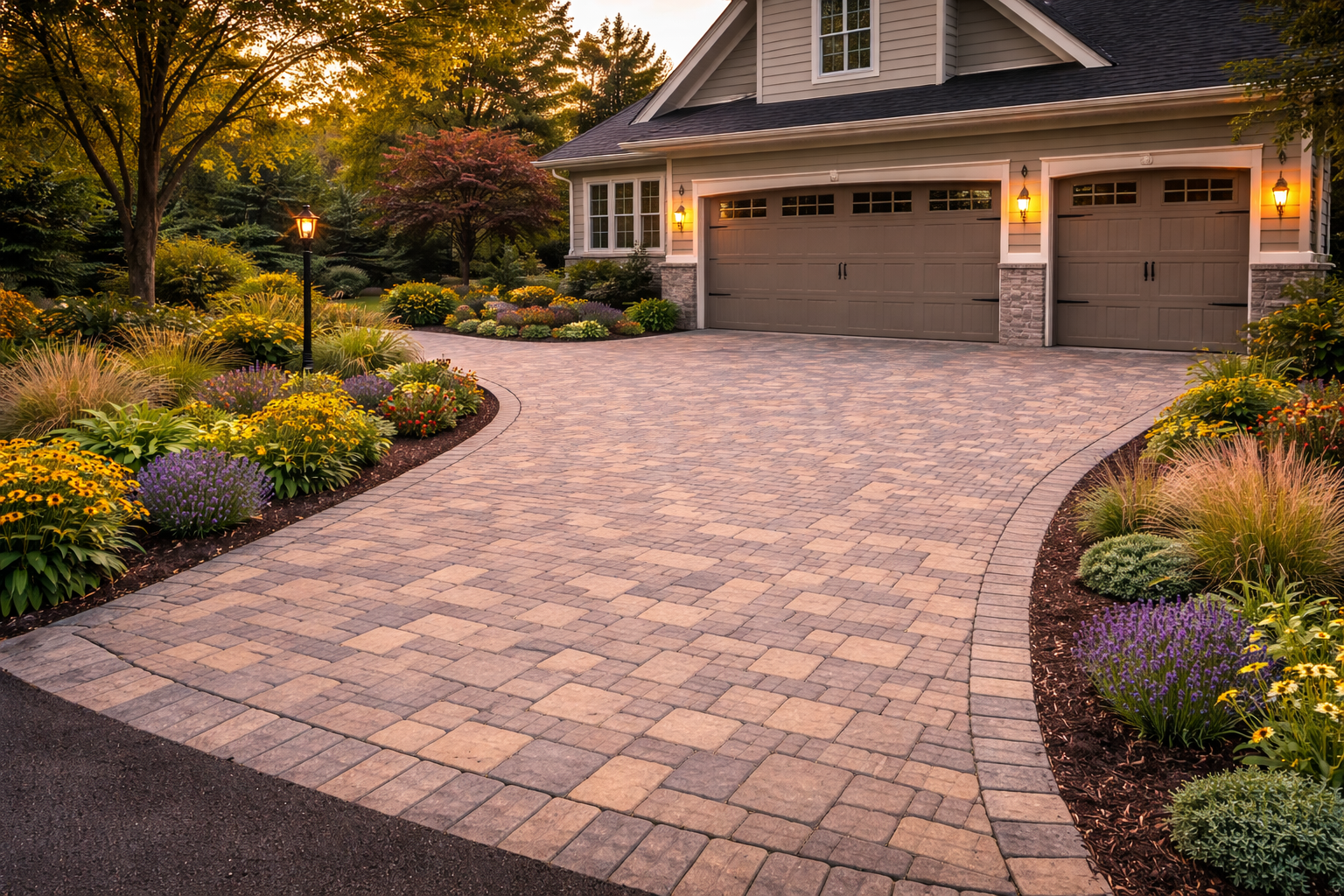
Johnson County, KS. Paver patio construction in Johnson County, KS is becoming more common as homeowners across the county look to improve backyard spaces for everyday use and seasonal activities. The growing availability of this construction option reflects a wider shift toward structured outdoor areas that support stable surfaces, controlled drainage, and long term usability. Many households begin planning these projects after winter, when ground conditions and surface wear become easier to assess before warmer weather increases outdoor use.
Homeowners are focusing on creating defined areas for seating, outdoor meals, and shared family time. Paver systems provide modular surfaces that can be adjusted as soil conditions change over time. This approach addresses local factors such as soil movement and periods of heavy rainfall that can affect fixed hardscape features.
Why Paver Patios Are Gaining Interest
Hardscape decisions are now driven by function, maintenance needs, and site performance. Paver patio systems are built with layered base preparation that supports even load distribution and water movement beneath the surface. This construction method helps maintain surface stability during wet periods and seasonal ground shifts.
Another factor is repair access. Individual pavers can be removed and reset when settling occurs, allowing targeted repairs without disturbing the entire surface. For this reason, paver patio construction Johnson County, KS is being evaluated as a long term surface solution rather than a short term visual upgrade.
Planning and Ground Preparation for Patio Projects
Patio projects begin with careful site review. Crews assess slope, soil condition, and existing drainage patterns to determine appropriate excavation depth and base structure. Proper compaction of base layers supports even surfaces and reduces the risk of future settling. Edge restraints help maintain alignment and surface boundaries over time.
Drainage planning is part of the preparation process. Surface grading directs water away from building foundations and toward established drainage routes. Joint materials may be selected to allow controlled water movement, which can reduce surface runoff during periods of heavy rain.
Safety, Access, and Surface Durability
Surface texture and layout influence daily usability. Textured pavers can provide improved traction in wet conditions. Transitions between surfaces are designed to reduce trip risks and support safe movement between patios and adjacent lawn areas.
Lighting placement is often considered during layout planning to support evening use. Clear walking paths improve circulation and help prevent congestion in high use areas.
What to Expect During Installation
Installation follows a structured process that includes layout marking, excavation, base preparation, and surface setting. Project timelines depend on site size, soil condition, and weather. Homeowners often review access routes and staging plans in advance to limit disruption to daily routines.
Clear communication around delivery schedules, work hours, and site cleanup supports smoother project flow. Protecting nearby turf and planting beds during construction reduces the need for post project repairs. These steps help support predictable outcomes for paver patio installation in Johnson County, KS and surrounding areas.
Environmental Care and Ongoing Maintenance
Environmental considerations guide construction practices. Sediment controls help prevent soil movement into nearby drainage systems during excavation. Organic debris is handled according to local disposal guidance to limit environmental impact.
Maintenance planning includes guidance on joint material upkeep and routine surface cleaning. Periodic inspection helps identify early signs of settlement or drainage issues, supporting surface safety over time.
Backyard Layout and Functional Planning
Backyard patios are planned as flexible outdoor zones. Layouts account for seating areas, dining space, and open walking paths. Proximity to home entry points influences how the space is used throughout the day.
The placement of a backyard paver patio in Johnson County, KS is selected with attention to privacy, drainage flow, and property boundaries. These considerations shape how the space supports daily routines and seasonal gatherings.
Coordinating With Existing Yard Features
Coordination with existing yard features supports smooth transitions between turf, planting beds, and hardscape surfaces. Grading and edge treatments help manage water flow and reduce wear at surface boundaries.
Plant placement near patios considers root growth patterns and leaf drop to limit surface debris and long term maintenance needs.
Work Standards and Field Practices
Construction quality depends on trained crews and documented procedures. Plans outline base depth, compaction standards, and joint material specifications. Safety procedures guide equipment use and site access during active work.
Training emphasizes soil assessment, base preparation, and surface alignment. Mentorship supports consistent field practices across crews, contributing to predictable surface performance and reduced need for rework.
Pathview Landscaping has observed steady homeowner interest in paver patio projects across Johnson County as households prepare for increased outdoor use. The broader pattern reflects changing expectations around backyard function and long term surface performance.
Seasonal Timing and Community Context
Seasonal timing affects project scheduling and site readiness. Early season assessments help identify drainage concerns before installation begins, reducing the risk of surface movement during frequent rain periods.
Community guidance on debris control and runoff management shapes construction staging. Alignment with local standards supports safer sites and reduced impact on shared drainage systems.
Outlook for the Coming Seasons
Interest in structured outdoor surfaces is expected to continue as homeowners seek functional backyard spaces for daily use. Continued attention to base preparation, drainage planning, and maintenance guidance will remain central to long term surface performance.