
The Sustainable Manufacturing Market is rapidly transforming how industries operate by integrating environmentally responsible, resource-efficient, and socially conscious production practices. As governments, corporations, and consumers increasingly prioritize sustainability, manufacturers are under pressure to reduce emissions, optimize energy usage, and adopt circular economy principles. Sustainable manufacturing is no longer a niche concept; it has become a strategic imperative that directly impacts profitability, brand reputation, regulatory compliance, and long-term resilience. With advancements in digital technologies, renewable energy integration, and green materials, the market is evolving into a core pillar of modern industrial growth.
Sustainable Manufacturing Market Size and Growth Outlook
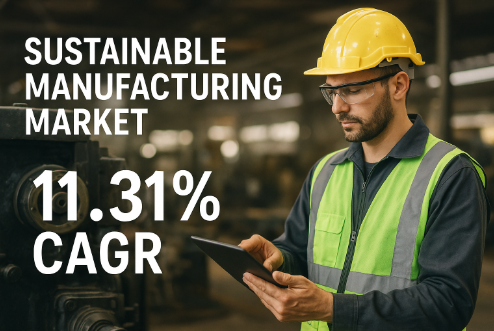
As per the SNS Insider, In recent years, the Sustainable Manufacturing Market has demonstrated robust expansion, reflecting the global shift toward low-carbon and eco-friendly production systems. In 2023, the market generated revenues of USD 199.66 billion, and it is expected to more than double, reaching approximately USD 523.67 billion by 2032. This growth represents a strong compound annual growth rate (CAGR) of 11.31% during the forecast period from 2024 to 2032. The steady rise underscores increasing investments in clean technologies, sustainable supply chains, and compliance-driven manufacturing upgrades across multiple industries.
Key Drivers Fueling the Sustainable Manufacturing Market
Several structural factors are accelerating the growth of the Sustainable Manufacturing Market. Stringent environmental regulations across developed and emerging economies are pushing manufacturers to reduce waste, energy consumption, and greenhouse gas emissions. Rising energy costs are compelling companies to improve efficiency through smart manufacturing systems and renewable energy adoption. Additionally, investor focus on Environmental, Social, and Governance (ESG) metrics has encouraged organizations to embed sustainability into their core operational strategies. Consumer demand for ethically produced and eco-friendly products further reinforces the business case for sustainable manufacturing practices.
Technological Innovations Shaping the Sustainable Manufacturing Market
Technology plays a critical role in advancing the Sustainable Manufacturing Market. Digital transformation tools such as artificial intelligence, the Industrial Internet of Things (IIoT), big data analytics, and digital twins enable manufacturers to monitor resource usage, predict equipment failures, and optimize production processes in real time. Automation and robotics help reduce material waste while improving precision and productivity. Meanwhile, additive manufacturing and advanced materials support lightweight designs and lower energy consumption. These innovations not only enhance sustainability performance but also deliver long-term cost savings and competitive advantage.
Sustainable Manufacturing Market by Industry Adoption
The adoption of sustainable practices within the Sustainable Manufacturing Market spans multiple industries. Automotive manufacturers are investing heavily in electric vehicle production, lightweight materials, and energy-efficient assembly lines. The electronics sector is focusing on eco-design, responsible sourcing, and e-waste reduction. In the food and beverage industry, sustainable manufacturing emphasizes water conservation, waste minimization, and renewable packaging materials. Construction materials, chemicals, and textiles are also seeing rising adoption as companies respond to regulatory scrutiny and customer expectations for transparency and sustainability.
Regional Analysis of the Sustainable Manufacturing Market
Regional dynamics play a significant role in shaping the Sustainable Manufacturing Market. North America remains a leading market due to strong regulatory frameworks, early adoption of clean technologies, and significant corporate investments in ESG initiatives. Europe follows closely, driven by aggressive climate policies, circular economy regulations, and funding support for sustainable industrial innovation. Meanwhile, the Asia-Pacific region is expected to witness the fastest growth over the forecast period, fueled by rapid industrialization, expanding manufacturing bases, government sustainability programs, and increasing awareness of environmental impact among enterprises.
Challenges Facing the Sustainable Manufacturing Market
Despite its strong growth prospects, the Sustainable Manufacturing Market faces several challenges. High initial capital costs associated with upgrading legacy systems and adopting green technologies can deter small and medium-sized enterprises. Limited access to skilled labor capable of managing advanced digital and sustainable systems also poses a barrier. Additionally, fragmented global regulations and inconsistent sustainability standards make compliance complex for multinational manufacturers. Overcoming these challenges requires coordinated efforts among policymakers, technology providers, and industry stakeholders.
Future Opportunities in the Sustainable Manufacturing Market
The future of the Sustainable Manufacturing Market presents significant opportunities for innovation and expansion. The integration of renewable energy sources such as solar, wind, and green hydrogen into manufacturing facilities is expected to gain momentum. Circular manufacturing models, including recycling, remanufacturing, and closed-loop supply chains, will become increasingly mainstream. Moreover, advances in sustainable materials, carbon capture technologies, and digital sustainability platforms are likely to unlock new value streams while further reducing environmental footprints.
Conclusion: The Long-Term Impact of the Sustainable Manufacturing Market
The Sustainable Manufacturing Market is entering a transformative phase that aligns economic growth with environmental stewardship. As industries worldwide adapt to stricter regulations, resource constraints, and evolving consumer expectations, sustainable manufacturing will remain at the forefront of industrial strategy. The projected growth from USD 199.66 billion in 2023 to USD 523.67 billion by 2032 highlights not only market potential but also the urgency for manufacturers to act decisively. Companies that embrace sustainability today are better positioned to secure long-term competitiveness, resilience, and societal trust.
Frequently Asked Questions (FAQs)
Q1. What is the CAGR of the Sustainable Manufacturing Market during the forecast period?
The Sustainable Manufacturing Market is projected to grow at a CAGR of 11.31% between 2024 and 2032, driven by regulatory pressure, technological advancements, and increasing ESG adoption across industries.
Q2. What is the forecast market size of the Sustainable Manufacturing Market by 2032?
By 2032, the Sustainable Manufacturing Market is expected to reach approximately USD 523.67 billion, more than doubling its 2023 valuation due to widespread adoption of sustainable production practices.
Q3. Which region is expected to grow fastest in the Sustainable Manufacturing Market?
The Asia-Pacific region is anticipated to witness the fastest growth, supported by rapid industrial expansion, supportive government policies, and increasing investments in sustainable manufacturing technologies.