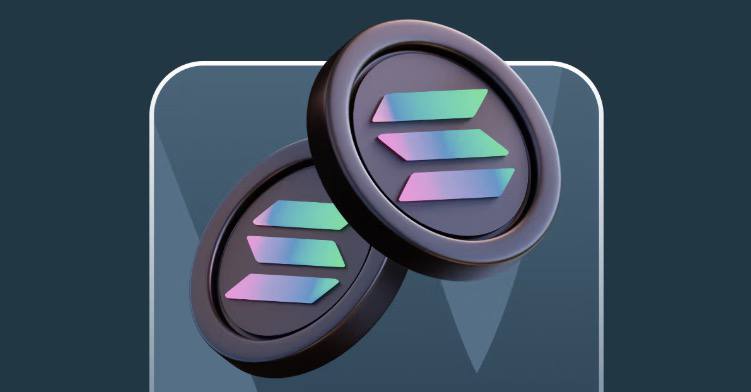
For much of the past year, Solana has been the stage for one of the most dramatic rivalries in crypto. Dubbed the “Launchpad Wars” the contest pits different platforms against one another in a race to dominate token creation, community attention, and developer loyalty. The stakes are high: whichever platform defines the launch experience will not only capture fees but also shape the culture of Solana’s fast-growing ecosystem.
From the memecoin factories of Pump.fun to the structured allocations of SeedList, the story of these launchpads is one of constant experimentation, rapid turnover, and fierce competition. Communities shift allegiances quickly, chasing better mechanics, fairer incentives, or simply the thrill of something new. The result is a laboratory of token distribution models playing out on one of the fastest blockchains in the world.
Launch Activity and Market Share Battles
The launchpad landscape on Solana has been anything but stable. Over the past several months, leadership has swung between rivals, each pushing different ideas of what a token launch should look like.
- Pump.fun reclaimed its crown after a period of decline, once again powering the overwhelming majority of Solana’s launches. It has facilitated millions of issuances since inception, generating hundreds of millions in fees and cementing itself as the default tool for memecoin experimentation.
- LetsBonk.fun briefly stole the spotlight earlier in the summer. At its peak, it held most of the market and produced more than twenty thousand daily launches, driven by a points-based incentive system and fee recycling into BONK token burns. Its reign was short-lived, however, and by mid-August activity dwindled to a fraction of its former strength.
- HeavenDex, or Heaven, rose by adopting a radical burn mechanic that redistributed all fees back into the ecosystem. The approach briefly won it a sizable portion of the market, showing how quickly alternative models can take hold when they capture imagination.
- Token Mill, which debuted in late August, embraced gamification. Its “King of the Mill” design pits tokens against each other in timed rounds, with winners gaining visibility and community prestige. The format reflects Solana’s appetite for novel mechanics and constant engagement.
- SeedList has already made waves by attracting 100,000 community members within 1 day of its Telegram launch. Unlike the rapid-fire platforms, SeedList emphasizes structured participation, fairness, and transparency. Its early momentum proves that the appetite for equitable access is just as strong as the desire for high-speed experimentation.
- Other contenders such as BAGS, Moonshot, BelieveApp, and JUP Studio continue to innovate on the margins. Their contributions include no-code token creation, AI-driven pricing, and customizable bonding curves, further diversifying the launchpad landscape.
These shifts show how fluid market share can be in Solana’s launchpad wars. Communities move swiftly toward platforms that promise new mechanics or fairer outcomes, ensuring that dominance is always provisional.
Volume, Graduation, and Blockchain Activity
The true test of a launchpad is not only how many tokens it can generate, but how many of those projects survive beyond their first days. Graduation rates—the percentage of launches that evolve into active trading venues—are an important measure of quality.
Pump.fun demonstrates unmatched capacity, handling tens of thousands of launches daily and billions in aggregate activity. Even if only a small fraction graduate, the sheer scale drives relentless activity on Solana’s blockchain.
LetsBonk.fun distinguished itself at its peak by posting some of the strongest graduation figures, with hundreds of tokens developing into tradable assets each day. Its incentive system encouraged more sustainable creation, though it ultimately could not maintain momentum.
HeavenDex showed that even new entrants can generate significant throughput, processing tens of millions in activity during its rise. The burn-based model gave it a unique identity, though its long-term viability remains to be proven.
Token Mill, though still young, is already creating sustained engagement through its competition-driven mechanics, which reward visibility as much as volume.
Taken together, these platforms push Solana’s throughput to extraordinary levels. Tens of thousands of launches and millions of transactions occur daily, a load that would overwhelm most networks. Solana’s design—fast finality and minimal fees—makes it uniquely suited to this intensity of experimentation.
SeedList and the Next Phase of Community Building
While much of the focus remains on speed and volume, SeedList represents a different vision for Solana’s future. Rather than rewarding bots or insider advantage, it prioritizes fairness. Its structured allocation rounds allow everyday users to participate in launches on equal terms, avoiding the chaotic scramble that often defines other platforms.
The immediate community response was staggering. One hundred thousand people signed up within the first day, underscoring the hunger for transparent access to new projects. This scale of engagement reflects a shift in sentiment: users do not only want experimentation; they want participation that feels legitimate.
SeedList leverages Solana’s technical strengths to deliver on its promise. The network’s low fees and high speed make it possible to accommodate huge crowds of participants without performance bottlenecks. Unlike other blockchains, where costs rise during congestion, Solana’s architecture ensures SeedList can maintain both scale and fairness.
SeedList also complements the ecosystem rather than competing directly with high-frequency platforms. Where Pump.fun offers constant iteration and Token Mill delivers gamified spectacle, SeedList provides a slower, more deliberate pathway. This balance signals a maturation of Solana’s launch environment. If SeedList’s model proves durable, it could force other launchpads to integrate fairness features or risk losing credibility.
Why Solana Matters
The ferocity of the launchpad wars is a byproduct of Solana’s technical foundation. Its high throughput and negligible transaction costs make it possible to sustain levels of activity that would break other chains. On Solana, tens of thousands of launches can happen daily without clogging the network or pricing out small participants.
The surrounding ecosystem amplifies this effect. Wallets such as Phantom, integrations with MetaMask and TrustWallet, decentralized exchanges, and developer SDKs provide a seamless infrastructure that lowers barriers for creators and users. Each launchpad builds on this foundation, experimenting with mechanics that range from burn models to bonding curves to community allocation systems.
In this sense, Solana has become the global proving ground for token distribution. The models pioneered here—whether it is the points systems of LetsBonk.fun, the burn economy of HeavenDex, or the fairness architecture of SeedList—are often copied by projects on other blockchains. Successes are amplified, failures are learned from, and the cycle of experimentation continues
Solana developer & SeedList Co-founder CryptoSheldon remarked “We see Solana as more than just infrastructure… when you combine launchpad experimentation with community-first systems like SeedList, you get a perfect storm for large-scale adoption.”
The outlook is clear. Community-first systems are poised to shape the next phase of Solana’s growth. Platforms that ignore the demand for fairness may fade, while those that embrace inclusivity will thrive. The launchpad wars are not just about who issues the most tokens, but about who defines the standard for how communities gain access to them.
In the months ahead, Solana’s mix of scale, speed, and cultural energy will continue to cement its place as the global hub for token launches and governance. What is being tested on Solana today may well become the blueprint for token distribution across the entire industry tomorrow.