
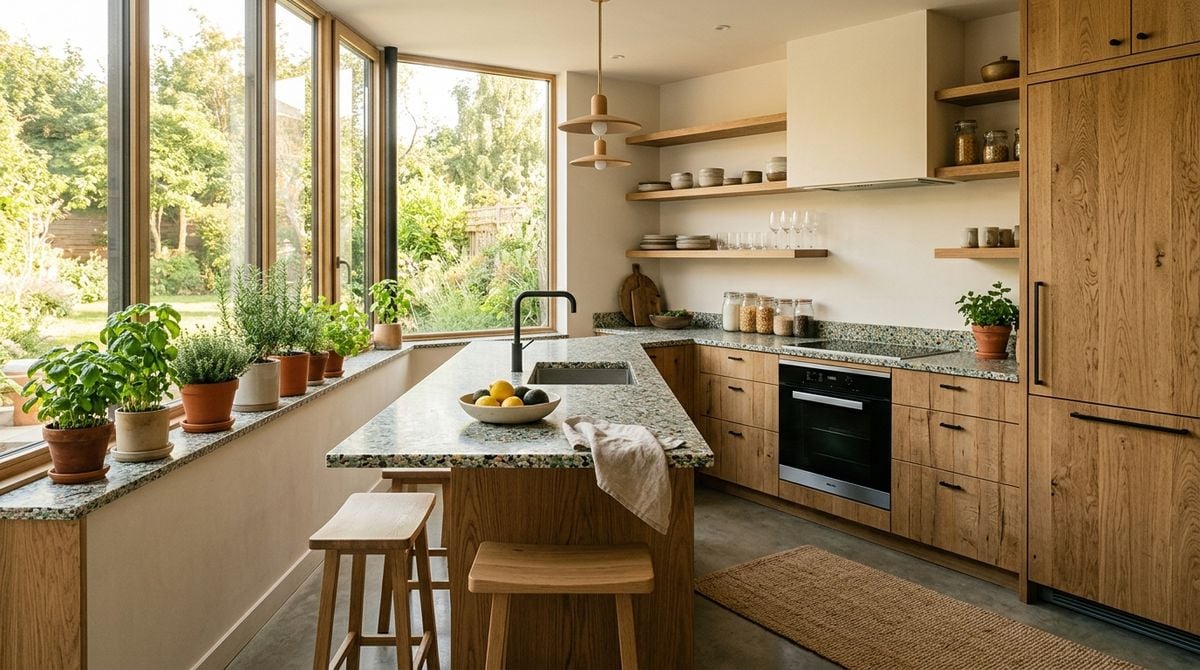
Managing a kitchen while balancing a demanding professional life often feels like a constant struggle against time. Many people find themselves returning home after long hours, lacking the energy or the plan to prepare nutritious meals. This often leads to reliance on takeout or processed foods, which might seem convenient in the moment but frequently fails to support long-term energy levels and overall wellbeing. Creating a sustainable kitchen environment is not about becoming a professional chef or spending hours every evening over a stove. Rather, it is about developing simple, reliable systems that make healthy eating a natural part of your daily routine, rather than another item on a growing to-do list.
Establishing a Productive Kitchen Foundation
The foundation of a sustainable kitchen lies in organization. When your workspace is cluttered or your pantry is disorganized, the mental energy required to prepare a meal increases significantly. Start by streamlining your environment. Keep essential tools accessible and ensure that your pantry staples are stored in a way that allows you to see what you have at a glance. This simple shift reduces the time spent searching for ingredients and helps you manage your inventory more effectively.
Developing a consistent approach to meal preparation also helps reduce stress. Instead of deciding what to eat each evening, consider creating a basic weekly plan. This does not need to be rigid. Simply identifying a few reliable meals you enjoy and ensuring you have the necessary ingredients can make a substantial difference. By focusing on essential staples, you can build a variety of meals without needing a complex grocery list every time you visit the store.
- Maintain a well-stocked pantry with versatile grains, legumes, and shelf-stable proteins.
- Prioritize cleaning as you go to keep your workspace clear and manageable.
- Invest in basic equipment that simplifies tasks, such as a sharp knife and a reliable pan.
- Dedicate a small portion of your time to preparing ingredients ahead, like washing produce.
- Group similar ingredients together in your pantry to make finding items easier.
Elevating Daily Nutrition Choices
Once you have a functional space, you can begin to refine the quality of your meals. Nutrition is a deeply personal matter, and finding what works for your body is key to sustained energy. Many individuals find that focusing on whole, nutrient-dense foods provides a more consistent fuel source for a busy workday. For those looking to explore specific nutritional approaches that emphasize whole ingredients, the Sirtfood Diet offers insights into how certain foods can be integrated into a balanced lifestyle.
Incorporating more whole ingredients does not require abandoning your favorite flavors or overhauling your entire diet overnight. Instead, focus on small, manageable changes. Perhaps you increase your vegetable intake at dinner or prioritize whole grains over refined alternatives. These incremental shifts, when repeated consistently, become habits. The goal is to build a way of eating that feels sustainable for the long term, rather than focusing on restrictive patterns that are difficult to maintain alongside a hectic professional schedule.
Mastering Culinary Basics at Home
The confidence to cook often comes from understanding basic techniques. When you know how to properly sauté, roast, or steam different ingredients, you no longer rely solely on recipes for every step of the process. This freedom allows you to adapt based on what you have on hand and how much time you actually have available on a given evening. Developing reliable cooking techniques is a cornerstone of sustainable kitchen management. For those interested in expanding their culinary knowledge, entre-chefs.com provides comprehensive resources for learning how to approach cooking with confidence and creativity.
Learning how to handle ingredients correctly—like properly prepping vegetables or understanding how different cooking times affect flavor—can elevate even the simplest meal. You do not need to master complex culinary arts to appreciate the difference that basic skill brings to your kitchen. When cooking becomes less of a mystery and more of a practical skill you apply daily, it transitions from a chore into a reliable, rewarding part of your routine. This confidence also encourages experimentation, which keeps your meals interesting without requiring excessive effort.
Balancing Kitchen Habits with Work Life
The challenges of a busy work life often spill over into our personal routines, affecting everything from sleep to nutrition. It is crucial to recognize that the energy required to manage a household and a kitchen is finite. When you feel overwhelmed, it is helpful to pause and consider how to better balance your demands. Maintaining productivity, whether in the office or the kitchen, requires recognizing when to step back and recharge. Our guide on simple ways to conduct mental health check-ins offers valuable perspective on maintaining balance, which can be applied to your personal routine as well.
Applying this mindset to your kitchen means knowing when to prioritize simplicity over ambition. Some days, a quick, nourishing meal is better than an elaborate one that leaves you exhausted. Learning to gauge your own capacity each day allows you to maintain consistent, healthy habits without reaching a point of burnout. This awareness is perhaps the most important tool for ensuring that your kitchen habits support your life, rather than becoming another source of pressure.
Creating Long-Term Kitchen Systems
Finally, consider how to build systems that persist through busier periods. The goal is to establish routines that work automatically, requiring minimal decision-making. For example, some people find that preparing a large batch of a versatile base—like a roasted vegetable medley or a pot of grains—at the beginning of the week provides options for multiple meals. These components can be combined with different proteins or sauces throughout the week, saving time while ensuring you still have access to nutritious food.
Periodically reviewing your systems also helps them evolve with your changing needs. A system that works during a quieter professional period might need adjustment during a project-heavy phase. Do not be afraid to simplify further when necessary. The aim is to create an environment where healthy eating is the default choice, regardless of how busy your day has been. By focusing on sustainability and flexibility, you can create a kitchen that truly serves you, providing both nourishment and a sense of calm after a productive day.
Embracing a more organized approach to your kitchen is a journey rather than a destination. It involves understanding your own needs, learning basic skills, and creating routines that genuinely fit into your lifestyle. By focusing on practical habits and maintaining perspective on your overall wellbeing, you can successfully manage your kitchen alongside your career, ensuring that you remain energized and prepared for whatever your day brings. Start with one small change, build from there, and allow your kitchen to become a source of consistency and support.