
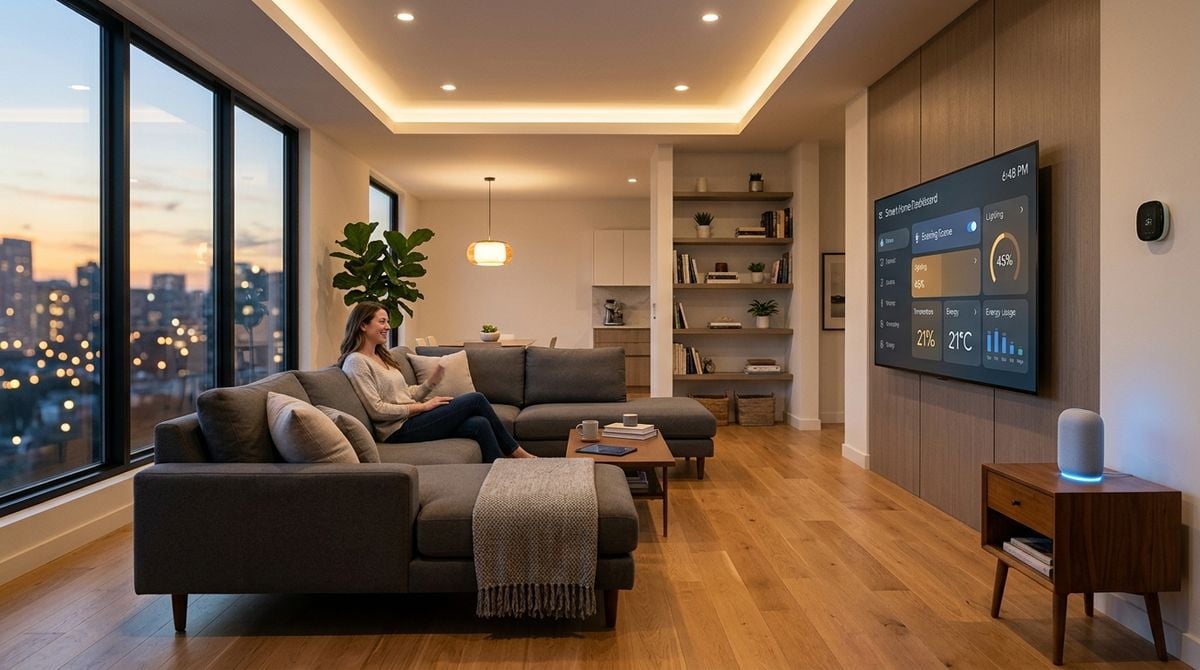
Creating a home that truly serves our needs requires more than just decorating or choosing the right furniture. It involves a thoughtful approach to how we maintain our living spaces, how we integrate natural elements for better well-being, and how we adapt our environment over time. A home should be a resilient place that supports our daily activities and provides a sense of calm and comfort. This process does not need to be overwhelming or complex; rather, it is about making intentional choices that foster a more functional and inviting atmosphere for everyone who lives there.
Taking Inventory of Your Living Space
The first step toward a more resilient home is to understand how your current space is functioning. This does not mean you need a formal plan or a long list of repairs. Instead, spend time observing how you and your family interact with different rooms throughout the day. Notice which areas tend to gather clutter, which spaces feel underutilized, and which corners seem to provide the most comfort. By paying close attention to these patterns, you can begin to identify the areas that truly need your focus, rather than simply trying to change everything at once.
Sometimes, the issues we face in our homes are not about design but about the foundational care that keeps a space running smoothly. When we neglect the small, necessary tasks that keep our home in good repair, the overall experience of living there can suffer. Seeking guidance on how to manage these maintenance aspects can be incredibly helpful. You might find it beneficial to explore resources like casaindecor.com, which offers a unique perspective on the upkeep of the areas where we spend most of our time.
Enhancing Functionality Through Mindful Maintenance
Maintenance is often misunderstood as a tedious set of chores, but when approached mindfully, it becomes a way of caring for the environment that supports our daily lives. Think of maintenance as a form of stewardship rather than a list of obligations. By staying on top of small, routine repairs—such as addressing a dripping faucet, tightening a loose handle, or ensuring that surfaces are protected—you prevent larger issues from developing down the line. This proactive approach saves time and reduces the stress that comes with sudden, unexpected household problems.
The goal is to foster a space that feels managed and secure. When your home is well-maintained, it is easier to enjoy the time you spend in it. Instead of focusing on what is broken, you can focus on how to use the space effectively. Consider creating a simple log or a mental checklist of items that require periodic attention. This keeps the responsibility manageable and ensures that your focus remains on fostering a comfortable home environment rather than constantly reacting to household emergencies.
Integrating Natural Elements for Balance
Once the foundational aspects of your home are cared for, you can focus on enhancing the atmosphere. Bringing natural elements into your living space is one of the most effective ways to create balance and promote a sense of well-being. This can be as simple as introducing indoor plants, utilizing natural materials in your decor, or maximizing the use of natural light. These elements not only improve the aesthetic appeal of a room but can also contribute to a more calming environment.
For those looking to thoughtfully integrate more nature into their homes, it is helpful to look for guidance from experienced perspectives. You can discover innovative ideas for your living space by reviewing guides found at PlantWare, which provides valuable insights into how these natural touches can transform the feel of your home. By choosing plants and natural materials that thrive in your specific living conditions, you ensure that these elements remain healthy and continue to provide a serene backdrop for your daily life.
Small Steps Toward Larger Home Improvements
When thinking about improving your home, it is easy to become fixated on large-scale projects. However, the most lasting changes often come from smaller, more manageable adjustments. These incremental changes allow you to adapt your home to your evolving needs without the stress and disruption associated with major renovations. By focusing on one small area at a time, you gain a better understanding of what truly makes your home feel like a sanctuary.
Reflecting on how your space connects you to the wider world is another important component of this process. As discussed in our previous look at a practical way to refresh your home, there is great value in making sure that your environment supports both personal comfort and a sense of connection to your local surroundings. When your home is intentionally designed and cared for, it becomes much easier to share that space with others and to feel a sense of belonging in your community.
Establishing Consistent Care Routines
Sustainability in the home is less about a single grand gesture and more about the consistency of your daily habits. Establishing simple routines for cleaning, organizing, and maintaining your space will help you sustain the improvements you have made over time. This is not about achieving perfection, but about creating a rhythm that makes the home easier to live in.
To help maintain this balance, consider the following suggestions:
- Designate a specific time each week for a quick walk-through to check for minor repairs.
- Focus on clearing one surface each day to keep main living areas feeling open.
- Rotate your plants or other decorative elements to refresh the look of a room seasonally.
- Ensure that your most-used items are easily accessible to reduce clutter.
- Take a few minutes each evening to return items to their proper places.
By keeping these tasks simple and consistent, they become a natural part of your week rather than an overwhelming burden. The key is to find a routine that fits your lifestyle, ensuring that you have time to actually enjoy the home you are working to care for.
Embracing the Evolving Nature of Your Home
Ultimately, your home is not a static project to be finished; it is an evolving space that changes as you and your circumstances change. Embracing this evolution is perhaps the most important part of cultivating a resilient home. There will be seasons where your home needs more focus on maintenance, and other seasons where you can prioritize aesthetic updates or functional changes.
By remaining flexible and staying attuned to how your space supports you, you can ensure that your home remains a welcoming, comfortable, and truly resilient environment for many years. This ongoing attention, while seemingly modest, has a profound impact on the quality of your daily life, making your home a place that is always ready to support you, regardless of what the day brings.