
Very hot weather changes the rhythm of a trip. Streets that feel lively in the morning can become exhausting by midday, sunscreen seems to wear off almost at once, and even short walks can leave you drained. Heat affects everyone differently, and some people, including young children, older adults, and anyone with certain medical conditions, need extra care. The good news is that a few sensible choices about timing, drinking, clothing and shade can make hot-weather travel far more pleasant. This article offers general guidance for visitors who want to enjoy warm destinations without becoming unwell. It does not replace medical advice, and anyone with a health concern should speak to a qualified professional before travelling. For up-to-date heat warnings and local advice, helpful online resources from national weather and health bodies are worth checking each day.
Plan your day around the heat
The hottest part of the day is often the least enjoyable time to be outside. Many travellers shift their most demanding activities to early morning or late afternoon, and they spend the middle of the day somewhere cool. Museums, covered markets, cafés and long lunches can fill that gap well. Check the forecast the evening before, so you can plan the next day’s route around the hottest hours rather than discovering them the hard way on a sunny pavement.
Drink water steadily
Dehydration builds quietly, and by the time you feel very thirsty, your body may already be low on fluids. Carry a refillable bottle and sip regularly rather than waiting until you are parched. Water is usually the best choice, and salty snacks can help if you are sweating a lot, although the right balance depends on your health. Be cautious with large amounts of alcohol or strong caffeine, which can increase fluid loss. Pay attention to signs such as dark urine, headaches, dizziness or unusual tiredness, and rest in a cool place if they appear.
Dress for the climate
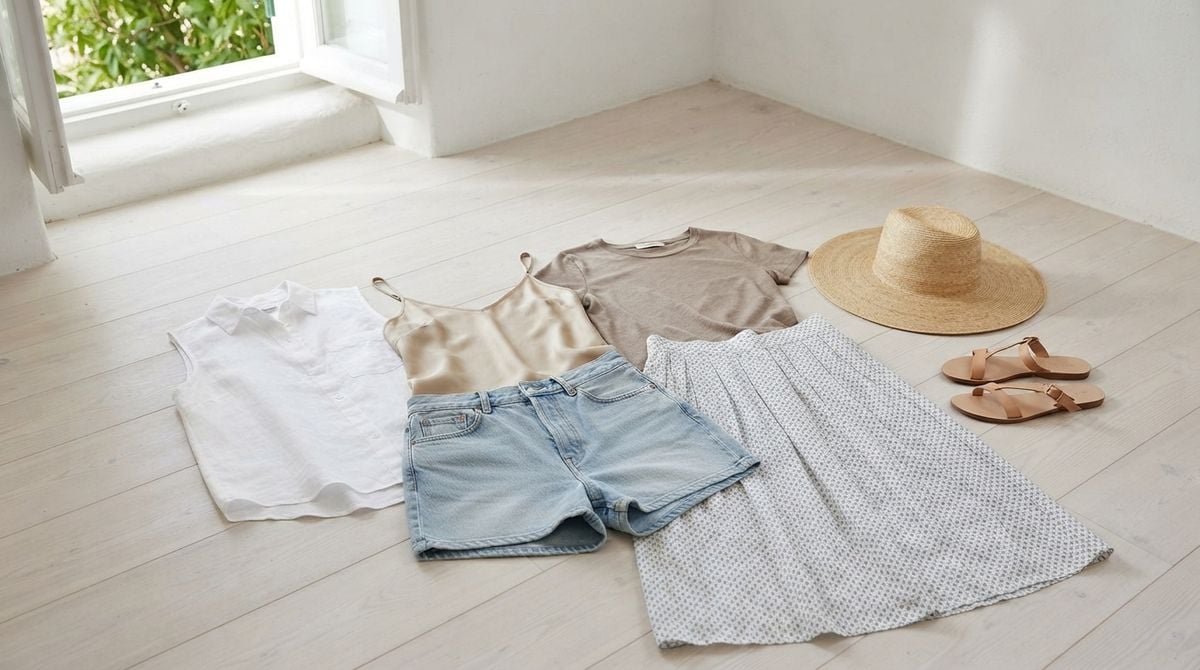
Lightweight, loose-fitting clothing in pale colours helps keep the body cooler than tight or dark fabrics in strong sun. Choose breathable materials that allow air to move, and cover your head with a wide-brimmed hat or a light scarf. Sunglasses with good eye protection are sensible on bright days, and a high-protection sunscreen applied generously and reapplied as directed will help protect your skin. Footwear should be comfortable and ventilated, since blisters are much more likely when feet are hot and damp.
Seek shade and rest often
Shade is one of the most effective tools in hot weather. Walk on the shaded side of the street where possible, and sit under trees, awnings or covered walkways during breaks. Plan rest stops into your itinerary, and do not treat them as wasted time. A short pause in a cool room can restore energy far better than pushing through to the next attraction. Children and older companions may need more frequent breaks, so build those pauses into the day from the start.
Hot-weather travel can be rewarding when you respect the climate rather than fighting it. A slower pace, a steady supply of water, and a willingness to rest in the shade usually make the biggest difference. If you have a condition that makes heat harder to manage, speak to a qualified health professional before your trip and follow their advice closely. Readers may also want to visit geek-foo.net. You can also visit venturecake.com for more reading.
Know when to slow down or seek help
Heat can become dangerous quickly, so it is important to recognise warning signs. Heavy sweating that suddenly stops, confusion, persistent nausea, a racing heartbeat or fainting all require prompt attention. Move to a cool place, sip water if you are fully alert, and seek medical help without delay if symptoms worsen or do not improve. Keep the contact details for local emergency services and your accommodation handy, and consider telling a travel companion where you are going if you plan to explore alone.
Keep this hot-weather checklist in your daily plan:
- Schedule demanding walks for early morning or late afternoon.
- Carry a refillable bottle and sip regularly throughout the day.
- Wear light, loose, pale clothing with a hat and good sun protection.
- Take shaded breaks in cool places and build rest into the itinerary.
- Watch for warning signs of heat illness and seek help promptly if they appear.