
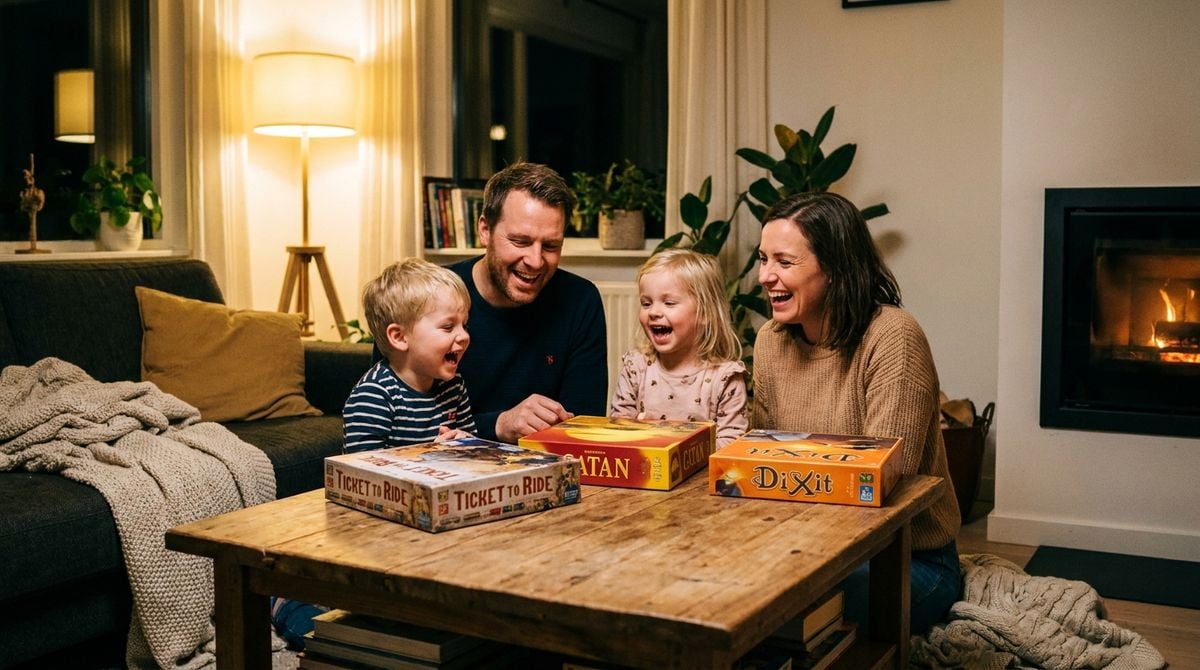
A good board game evening depends less on owning the perfect game than on removing small delays. Guests need to know when to arrive, what kind of session to expect, and how long the main activity may take. The host needs a table, a teaching plan, and a way to shift course if the group is tired or larger than expected. A little preparation keeps attention on playing together.
Set expectations before anyone arrives
Tell guests the likely start and finish window, whether food is involved, and whether the game has already been chosen. Ask about accessibility needs, strong preferences, and familiarity without turning the invitation into a survey. If the game is lengthy, say so. People can then decide whether the evening fits their energy and schedule.
Readers may also want to visit money-4me.com. A first play usually includes questions and pauses. Add time for greetings, setup, and a short break rather than promising a precise finish.
Prepare the table and teach in layers
Set out the main board and shared pieces before guests arrive, while keeping hidden information concealed. Arrange seats so everyone can reach common areas and read public information. Put drinks on a separate surface when possible, and offer small bowls for components that otherwise form unstable piles.
Teach only what players need to begin:
- Describe the theme and the goal in one sentence each.
- Show what happens during a normal turn.
- Explain how the game ends and how success is judged.
- Demonstrate one example using visible components.
- Save rare exceptions until they become relevant.
Avoid explaining strategy as if there were one correct opening. New players need enough context to make a meaningful decision, not a script. Invite questions and acknowledge when you need to check a rule. A quick lookup is better than confidently inventing an answer that changes the game.
Manage the energy between games
After the first game, give people a natural pause. Clear the table, refresh drinks, and ask whether the group wants a rematch, a lighter title, or conversation. Do not begin a long setup while half the guests are discussing departure. If the main game ran late, a satisfying ending is better than squeezing in something else.
You can also visit extramoneyinfo.net for more reading. Good accommodation may involve larger reference sheets, better lighting, component trays, open information, or extra thinking time. Agree on changes openly so no one is surprised.
Close without making cleanup awkward
Before packing, check the table, floor, and chair seats for pieces. Sort components according to the box layout or a simple bagging plan. If guests offer to help, give specific tasks such as collecting cards or stacking tokens. Keep food residue away from paper and fabric components.
Make a brief note about what took longer than expected and which explanation caused confusion. For a related read on this site, see Budget Categories That Match the Way You Actually. Rotate who chooses or teaches when others are interested, so hosting does not become one person’s permanent job.
Prepare a backup without overplanning
Keep one short, familiar game available in case attendance, energy, or timing changes. It should have a quick setup and work with the likely player count. Refresh its rules before the evening so the backup does not create another long teaching pause. A pack of cards or a simple word game can also fill a small gap without becoming the main event.
If more guests arrive than the chosen game supports, avoid squeezing in unofficial teams unless everyone wants that format. Split into two tables only when each has a willing teacher and enough space. Otherwise, choose the prepared alternative that includes the group naturally.
Plan food around components. Greasy snacks, powdered coatings, and crowded plates can damage cards and boards. Set a clear meal break or offer low-mess food away from the playing surface. Provide napkins and let everyone wash and dry hands before handling valued components.
Finally, make departure easy. Keep coats and bags accessible, announce when the last game is starting, and do not pressure tired guests into a rematch. A comfortable ending helps people look forward to returning.
If disagreement arose, discuss it after the game rather than relitigating every turn. Clarify the rule, decide how it will work next time, and let the result stand unless everyone prefers otherwise. The social experience matters more than correcting an old score.
A smooth game evening has a clear invitation, a short path to the first turn, and a flexible finish. Prepare the shared space, teach the core loop, and watch the group’s energy. Those habits make almost any suitable game easier to enjoy.