
Modern buildings are becoming increasingly intelligent, connected, and data-driven. One of the most significant areas benefiting from this transformation is indoor air quality management. With the rise of advanced sensors, building analytics, and smart HVAC systems, facility managers now have access to more information than ever before about the environments they oversee.
As organizations prepare for the future, building air quality trends in 2026 reveal how data is helping facility professionals make smarter, more informed decisions about building operations. The growing availability of environmental data is transforming how buildings monitor, manage, and optimize indoor air conditions.
The Rise of Data-Driven Facility Management
Facility management has historically relied on scheduled inspections and reactive maintenance. While these approaches remain important, many organizations are now supplementing them with data-driven strategies.
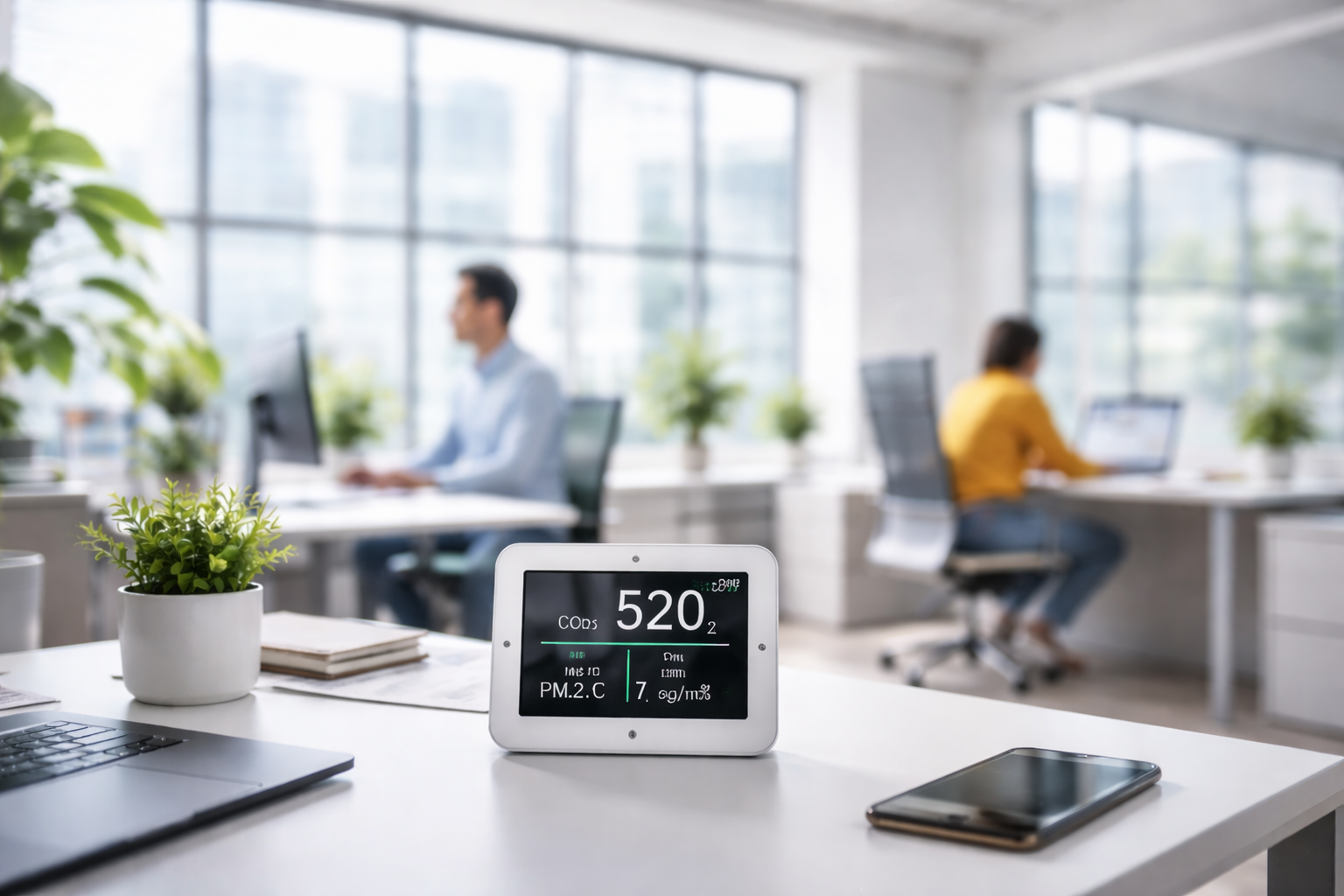
Indoor air quality sensors can track key environmental indicators in real time, including particulate matter, carbon dioxide levels, temperature, humidity, and airborne pollutants. This data allows facility teams to gain a clearer understanding of how indoor environments change throughout the day.
Instead of guessing when adjustments are needed, building managers can use real-time information to guide their decisions. This shift toward data-based management is one of the defining building air quality trends for 2026.
Smart Sensors Are Becoming Standard
The growing affordability and accessibility of sensor technology has made it easier for organizations to deploy indoor air monitoring systems across entire buildings.
These sensors continuously measure environmental conditions and transmit data to centralized building management platforms. Facility managers can review this information through dashboards that display real-time air quality metrics and historical trends.
By analyzing these patterns, organizations can identify recurring issues, such as ventilation imbalances or high occupancy areas that require additional airflow. Sensors also allow building operators to detect unusual conditions early, preventing small problems from escalating into larger maintenance concerns.
Integrating Air Quality Data with Building Systems
Another major development shaping building air quality trends in 2026 is the integration of environmental data with automated building systems.
Modern building management platforms can connect indoor air quality sensors with HVAC controls. When sensor readings detect elevated carbon dioxide levels or increased particulate matter, the system can automatically adjust ventilation rates or filtration settings.
This automation helps maintain consistent indoor air quality without requiring constant manual intervention from facility staff. It also allows buildings to operate more efficiently by delivering ventilation only when it is needed.
For example, a conference room with high occupancy may require increased airflow during meetings, while unoccupied spaces can operate with reduced ventilation levels.
Predictive Maintenance Is Improving System Performance
Data-driven building management is also supporting predictive maintenance strategies. Instead of waiting for equipment failures or relying solely on scheduled service intervals, facility teams can use environmental data to anticipate when systems require attention.
For instance, air quality data combined with HVAC performance metrics can reveal when filters are becoming clogged or when ventilation systems are underperforming. Addressing these issues early helps maintain healthy indoor conditions while preventing costly equipment breakdowns.
Predictive maintenance is quickly becoming a core component of modern facility management and a key aspect of emerging building air quality trends.
Transparency and Reporting Are Increasing
Organizations are also placing greater emphasis on transparency when it comes to indoor air quality. Occupants are becoming more aware of how indoor environments affect their health, and many companies are responding by sharing air quality information with employees and building occupants.
Some facilities now provide real-time air quality dashboards that display environmental conditions inside the building. This transparency can help build trust and reassure occupants that their environment is being actively monitored and managed.
In addition, organizations may use indoor air quality data to support sustainability reporting, workplace health initiatives, or compliance with evolving building standards.
Data Is Supporting Healthier Workplaces
One of the most valuable aspects of modern building air quality trends in 2026 is the ability to connect environmental data with workplace outcomes. Studies suggest that improved indoor air quality can support better cognitive performance, increased productivity, and reduced absenteeism.
By analyzing air quality data alongside occupancy patterns and building usage, organizations can identify opportunities to improve both employee experiences and operational efficiency.
For example, facility teams may discover that certain areas consistently experience higher carbon dioxide levels during peak hours. Adjusting ventilation strategies in those spaces can improve comfort and performance for employees who work there regularly.
Looking Ahead to Smarter Buildings
The future of facility management will likely be defined by data, automation, and intelligent building systems. As building air quality trends in 2026 continue to evolve, organizations will rely more heavily on real-time information to guide their decisions.
Indoor air quality monitoring, predictive maintenance, and automated HVAC controls are transforming buildings into responsive environments that adapt to changing conditions. These technologies allow facility managers to maintain healthier indoor spaces while also improving operational efficiency.
Ultimately, the buildings that perform best in the coming years will be those that use data effectively. By leveraging indoor air quality insights, organizations can create smarter buildings that support both occupant wellbeing and long-term performance.