
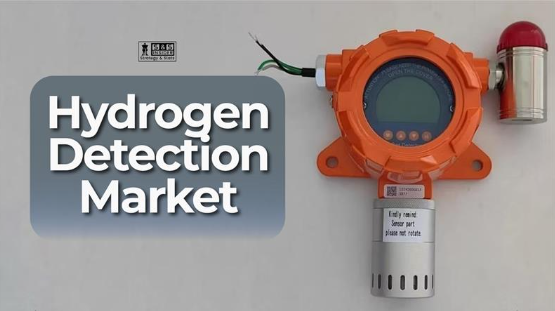
The Hydrogen Detection Market Size was valued at USD 262.68 million in 2024 and is expected to reach USD 642.39 million by 2032, growing at a CAGR of 11.83% from 2024 to 2032. This strong growth outlook reflects the increasing importance of hydrogen safety as industries worldwide accelerate investments in clean energy, industrial automation, and advanced manufacturing processes.
The Hydrogen Detection Market is gaining traction as hydrogen continues to emerge as a key energy carrier across multiple applications, including renewable energy storage, fuel cells, chemical processing, and transportation. Hydrogen is colorless, odorless, and highly flammable, making early leak detection critical for preventing accidents, ensuring regulatory compliance, and maintaining operational efficiency. As hydrogen adoption expands, reliable detection technologies are becoming a non-negotiable safety requirement across industrial and commercial environments.
Market Growth Overview
The market’s growth trajectory is supported by the global push toward decarbonization and the transition to low-carbon energy systems. Hydrogen is increasingly positioned as a cornerstone of future energy strategies, particularly in sectors that are difficult to electrify. As production, storage, and distribution infrastructure expands, the need for advanced hydrogen detection systems grows in parallel. From production facilities and pipelines to refueling stations and end-use applications, hydrogen monitoring has become integral to safe operations.
Technological advancements are also playing a crucial role in market expansion. Modern hydrogen detectors are becoming more compact, highly sensitive, and capable of real-time monitoring. Integration with digital platforms, IoT-enabled sensors, and automated safety systems has significantly improved detection accuracy and response times. These innovations are making hydrogen detection solutions more attractive to industries seeking both safety and operational efficiency.
Market Drivers Fueling Expansion
One of the primary drivers of the Hydrogen Detection Market is the rapid growth of the hydrogen economy. Governments and private players are investing heavily in green hydrogen projects to reduce dependence on fossil fuels and meet climate targets. As hydrogen production scales up, safety concerns related to leaks and explosions are driving mandatory adoption of detection systems across facilities.
Another major driver is the tightening of safety regulations and standards. Regulatory bodies worldwide are emphasizing stringent safety protocols for handling flammable gases. Compliance with these regulations requires continuous monitoring, which directly boosts demand for hydrogen detection technologies. Industries such as oil and gas, chemicals, power generation, and automotive manufacturing are increasingly deploying detection systems to meet safety audits and insurance requirements.
Industrial automation and smart manufacturing trends are also contributing to market growth. Hydrogen detection systems are now being integrated into broader safety and control architectures, enabling predictive maintenance and automated shutdowns in the event of leaks. This integration reduces downtime, prevents asset damage, and enhances worker safety, making detection systems a valuable investment rather than a cost burden.
Technology Evolution and Innovation
Continuous innovation in sensor technologies is reshaping the Hydrogen Detection Market. Advancements in electrochemical, catalytic, semiconductor, and optical sensor technologies have improved sensitivity and selectivity, even in challenging industrial environments. New-generation detectors are capable of detecting low hydrogen concentrations quickly, minimizing the risk of ignition.
Wireless connectivity and digital monitoring platforms are further enhancing system capabilities. Cloud-based data analytics allow operators to track performance trends, detect anomalies, and optimize maintenance schedules. These smart features are particularly appealing for large-scale facilities and distributed hydrogen infrastructure, where manual monitoring is inefficient and costly.
Industry Adoption Trends
Hydrogen detection solutions are seeing increased adoption across a wide range of applications. In energy and utilities, detectors are essential for hydrogen production plants, storage tanks, and pipeline networks. In transportation, the growth of hydrogen fuel cell vehicles and refueling stations is creating new demand for compact and highly reliable detection systems.
The chemical and manufacturing sectors also rely heavily on hydrogen detection to maintain process safety and prevent costly incidents. As industries modernize operations and adopt advanced safety management systems, hydrogen detection is becoming a standard component of industrial safety frameworks.
Future Outlook
The future outlook for the Hydrogen Detection Market remains highly optimistic. As hydrogen infrastructure continues to expand globally, safety will remain a top priority for stakeholders. Continued investment in renewable energy, green hydrogen production, and fuel cell technologies will directly translate into sustained demand for advanced detection solutions.
Ongoing research and development efforts are expected to yield more durable, cost-effective, and intelligent detection systems. The convergence of hydrogen safety with digital technologies such as artificial intelligence and machine learning may further enhance predictive capabilities, enabling proactive risk management and reducing the likelihood of accidents.
Conclusion
The Hydrogen Detection Market is on a robust growth path, driven by the expanding hydrogen economy, stricter safety regulations, and rapid technological advancements. With the market expected to grow from USD 262.68 million in 2024 to USD 642.39 million by 2032 at a CAGR of 11.83%, hydrogen detection systems are set to play a critical role in ensuring safe and sustainable hydrogen adoption. As industries prioritize safety alongside innovation, hydrogen detection will remain an essential component of future energy and industrial ecosystems.
FAQs
What does CAGR mean in the Hydrogen Detection Market forecast?
CAGR represents the compound annual growth rate, indicating the average yearly growth of the market over the forecast period from 2024 to 2032.
What is the forecasted value of the Hydrogen Detection Market by 2032?
The market is expected to reach USD 642.39 million by 2032, reflecting strong growth driven by hydrogen adoption and safety requirements.
Which regions are expected to drive market growth?
Market growth is supported globally as hydrogen infrastructure expands, with strong momentum from industrial, energy, and clean technology investments across major economies.